
When Should You Start Planning a Custom Home?
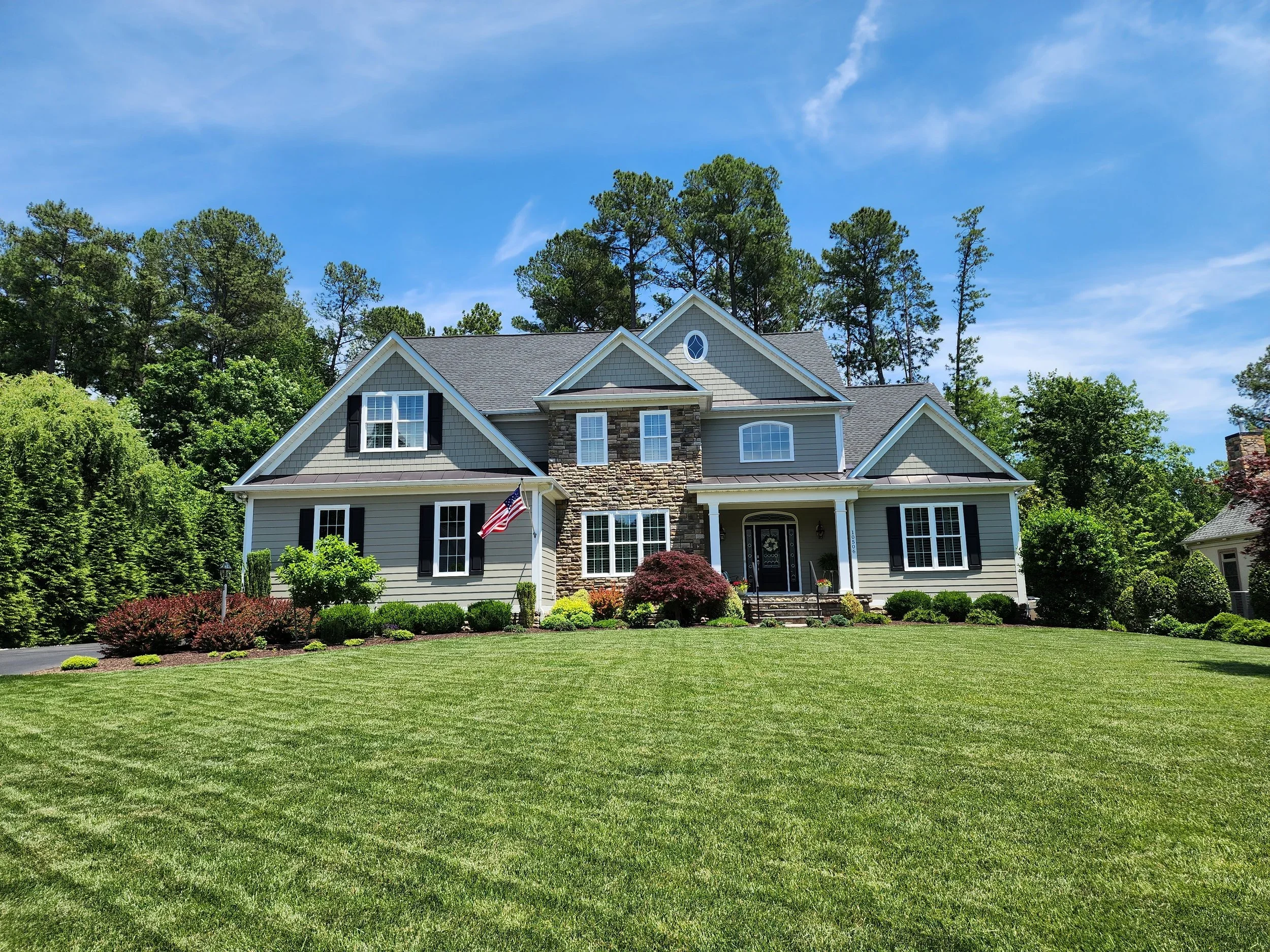
Building a custom home is one of the most exciting—and meaningful—investments you can make. It’s not just about creating a house; it’s about designing a space that reflects your lifestyle, priorities, and long-term vision. One of the most common questions we hear is:
“When should I start planning my custom home?”
The short answer: earlier than most people think.
The long answer? Let’s walk through what planning really looks like, why timing matters, and how starting early can make the entire process smoother, more enjoyable, and far more rewarding.
Why Planning Early Matters
A custom home doesn’t start with construction—it starts with intention. The earlier you begin planning, the more control you have over the outcome. Early planning allows you to:
Align your budget with your vision
Evaluate land and site conditions properly
Make thoughtful design decisions without pressure
Avoid costly changes later in the process
Set realistic expectations for timelines and costs
When planning is rushed, decisions often become reactive. When planning is intentional, the build becomes strategic. Guidance from the Consumer Financial Protection Bureau consistently emphasizes that early planning and informed decision-making lead to better financial and project outcomes in large investments like homebuilding.
How Far in Advance Should You Start Planning?
While every project is unique, most successful custom homes begin 12 to 24 months before construction starts. According to the National Association of Home Builders, extended planning timelines are common in custom home projects due to site evaluation, design development, and permitting requirements. Here’s a general breakdown of what that timeline looks like.
12–24 Months Before Construction: Laying the Foundation
This phase is all about exploration and preparation. You’re not committing to final decisions yet—you’re gathering information and shaping your vision.
At this stage, homeowners often:
Research custom home builders
Begin conversations about goals, lifestyle needs, and location
Explore land options or evaluate land they already own
Establish a preliminary budget range
Collect inspiration for layouts, finishes, and features
This is also the ideal time to connect with a custom home builder. Early conversations help determine feasibility and ensure your ideas align with your budget and timeline from the very beginning.
6–12 Months Before Construction: Refining the Vision
This is when your ideas start taking shape.
During this phase, you’ll typically:
Finalize land selection or complete site evaluations
Develop or refine floor plans
Align design decisions with budget realities
Review pre-construction details and timelines
Begin preparing for permit submittal
Because many decisions build on one another, having a clear plan here reduces delays and surprises once construction begins.
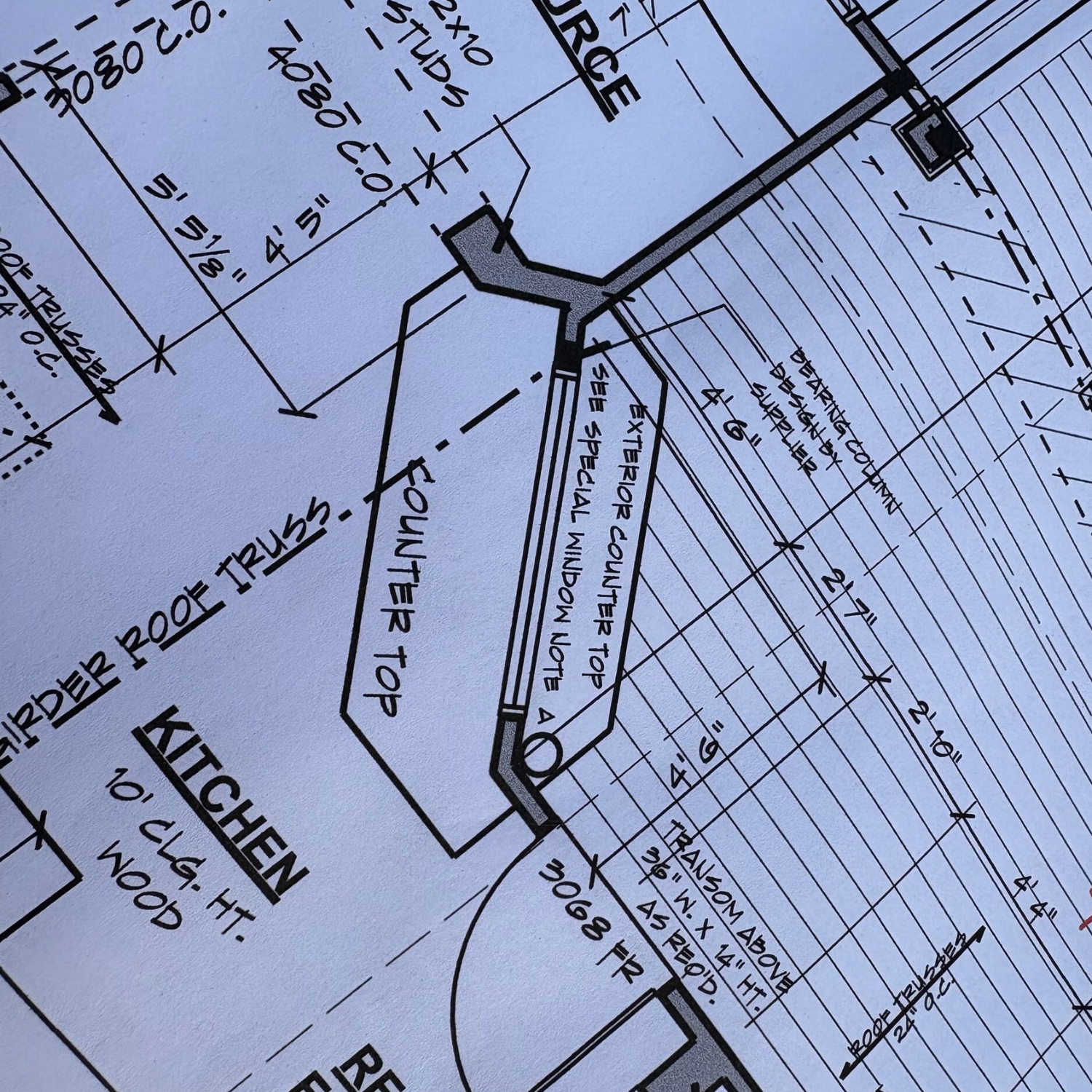
Less Than 6 Months Before Construction: Preparing to Build
At this point, planning transitions into execution.
This stage includes:
Final design approvals
Material selections
Construction scheduling
Site preparation
Finalize permit submittal preparations
When the earlier planning phases are done well, this stage feels organized and confident—not rushed or overwhelming.
Key Decisions That Matter Early
Some of the most important decisions in a custom home build happen long before construction starts. Planning early gives you the space to make these decisions thoughtfully.
Lot Selection and Evaluation
Not all land is created equal. The characteristics of your lot—topography, soil conditions, access, utilities, and orientation—directly impact design, cost, and construction complexity.
Evaluating your lot early allows your builder to:
Design a home that fits the land naturally
Identify potential challenges before they become problems
Optimize views, sunlight, and privacy
Layout and Lifestyle Design
Your home should reflect how you actually live—not just how it looks on paper.
Early planning helps you think through:
Daily routines
Entertaining needs
Work-from-home spaces
Storage requirements
Aging-in-place considerations
These conversations shape a home that functions beautifully for years to come.
Budget Alignment
One of the biggest benefits of early planning is budget clarity. Understanding how design choices, materials, and site conditions affect cost helps avoid disappointment later.
Early builder involvement ensures:
Your design stays aligned with your investment goals
You understand where to prioritize spending
Adjustments are proactive, not reactive
Energy Efficiency and Long-Term Value
Energy efficiency, durability, and long-term maintenance are best addressed early in the design process. Planning ahead allows you to incorporate smart systems and materials that enhance comfort and reduce long-term costs. The U.S. Department of Energy notes that integrating energy-efficient features during the design phase is significantly more cost-effective than making upgrades after construction is complete.
How a Custom Home Builder Helps Early On
A common misconception is that you only need a builder once plans are finalized. In reality, the right custom builder is one of your most valuable planning partners.
Early involvement allows your builder to:
Provide realistic cost expectations
Evaluate land feasibility
Guide design decisions
Anticipate construction challenges
Establish a clear and achievable timeline
At Warner Custom Homes, we believe that strong homes are built on strong relationships—and those relationships begin well before the first shovel hits the ground.
Common Mistakes When Planning Is Rushed
When homeowners wait too long to start planning, we often see:
Designs that don’t align with the lot
Budget surprises late in the process
Last-minute design changes
Delayed construction start dates
Unnecessary stress during decision-making
Planning early doesn’t mean committing too soon—it means giving yourself the gift of clarity.
Planning Early Creates Confidence
A custom home build should feel exciting, not overwhelming. When you give yourself the time to plan thoughtfully, the process becomes more enjoyable and far less stressful.
You gain:
Confidence in your decisions
Trust in the process
A home that truly reflects your vision
From the ground up, every detail matters—and it all starts with planning.
Let’s Start the Conversation
If you’re thinking about building a custom home—whether you’re ready now or simply exploring the idea—starting the conversation early can make all the difference.
Your vision deserves thoughtful planning and trusted craftsmanship.
👉 Schedule a conversation with our team:
https://warnercustomhomes.com/contact
Let’s build your story—together.