
Building a Custom Home This Fall? What to Know Before Construction Begins
Fall is an exciting time to think about building a custom home.
As summer winds down and families settle into their fall routines, many homeowners begin thinking more seriously about what's next—including where they want to live, what they want their home to look like, and how they want that home to function for years to come.
But building a custom home doesn't start when construction crews arrive.
Some of the most important work happens months before construction begins.
From choosing a homesite and establishing a budget to designing the floor plan, selecting materials, completing engineering, and navigating permitting, the pre-construction process lays the foundation for the entire project.
At Warner Custom Homes, we've been helping homeowners throughout Northern and Central Virginia turn their ideas into thoughtfully designed custom homes since 2007. Whether you're building on your own land, creating a lake home at Lake Anna, or considering a custom home at Tributer Resort, starting early gives you more time to make confident decisions.
Here's what to consider if you're thinking about building a custom home this fall.
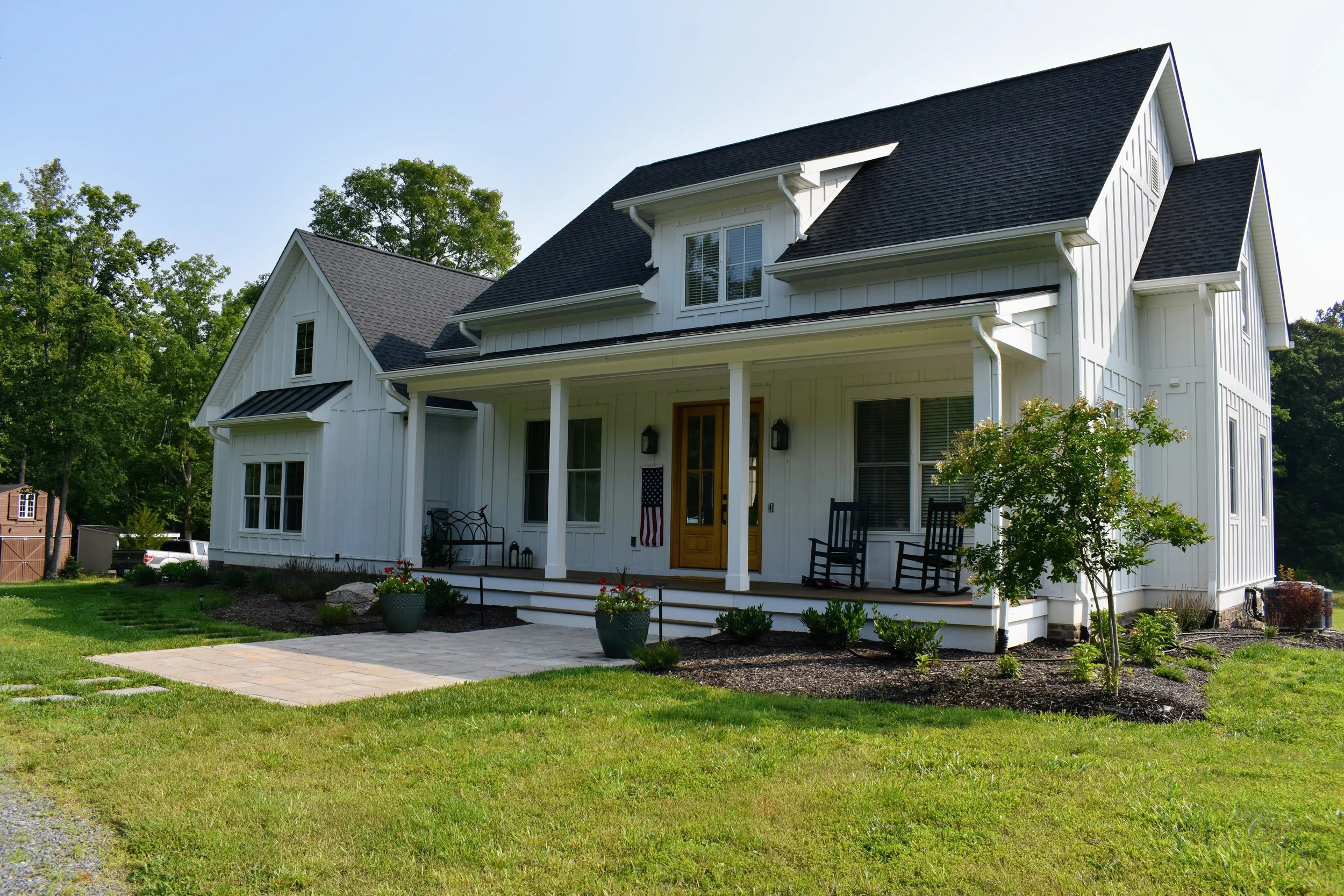
Start With Your Homesite
Before you choose paint colors or cabinet finishes, you need to understand where your home will actually be built.
The homesite can influence nearly every aspect of the design, including the home's orientation, floor plan, driveway, windows, outdoor living spaces, grading, and more.
If you already own land, fall can be an excellent time to take a closer look at the property.
Consider:
Topography
Drainage
Tree coverage
Natural views
Sun exposure
Access points
Utilities
Septic considerations
Well or public water availability
Existing structures
A home shouldn't simply be placed on a lot. Ideally, the design should respond to the property.
This is especially important for homeowners building on larger acreage or waterfront properties throughout Northern Virginia and the Lake Anna region.
If you're still looking for the right location, explore the communities where Warner Custom Homes builds to begin evaluating your options.
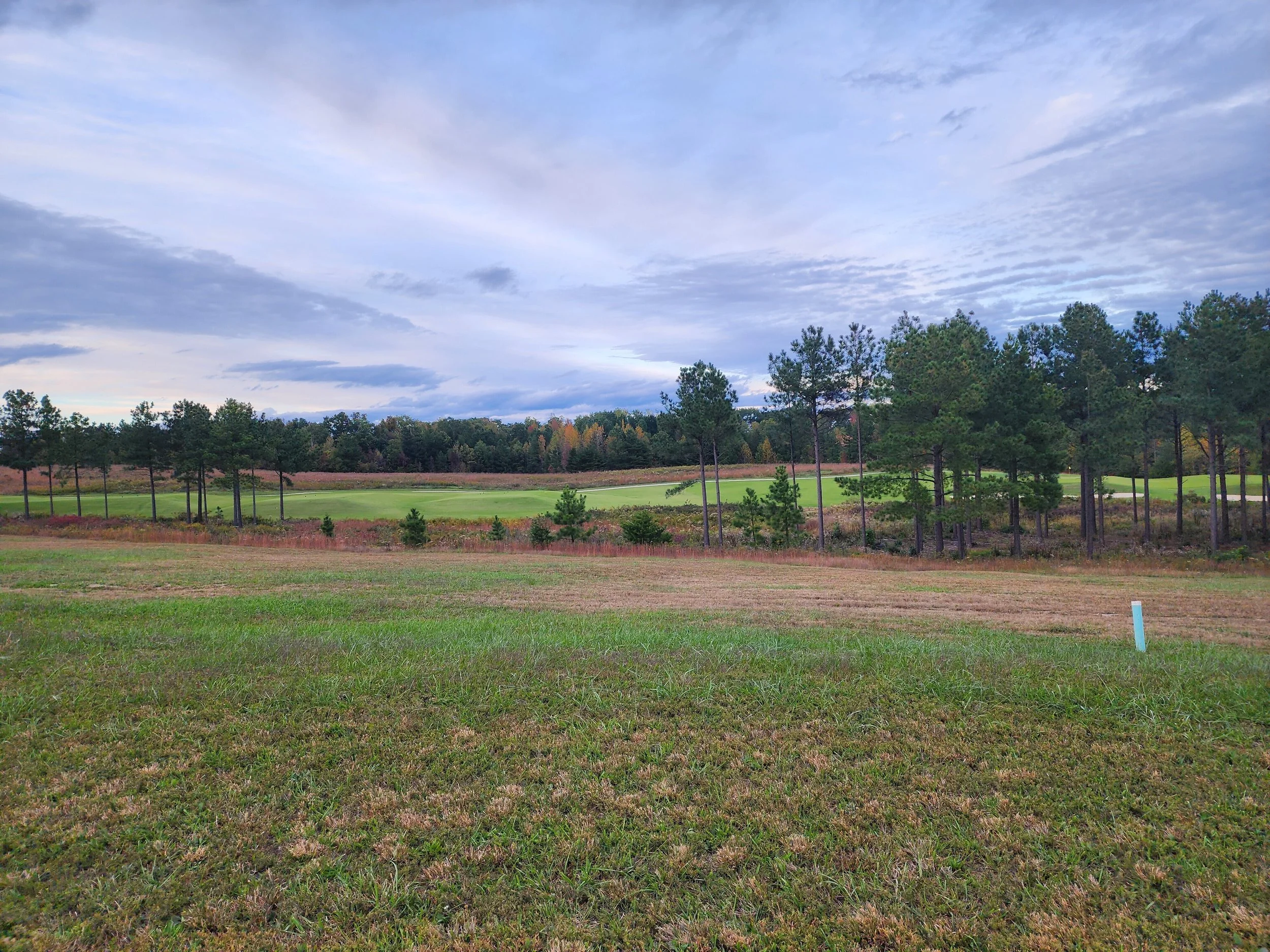
Establish Your Budget Early
One of the most important steps in building a custom home is establishing a realistic budget before design decisions begin.
Your budget should account for more than the home's base construction cost.
Depending on your property and project, you may also need to consider:
Land acquisition
Site preparation
Clearing and grading
Driveway construction
Well and septic systems
Utility connections
Engineering
Architectural services
Permits and fees
Landscaping
Outdoor living features
Appliances
Interior finishes
Understanding these costs early gives you a clearer picture of what is possible and helps guide decisions throughout the design process.
A good custom home builder should be willing to have these conversations early rather than waiting until selections have already been made.
Think About How You Actually Live
One of the biggest advantages of building custom is that your home doesn't have to conform to someone else's lifestyle.
Instead, the design can begin with yours.
Think about how you use your current home—and what you wish worked differently.
Do you entertain frequently?
Do you work from home?
Would you like a first-floor owner's suite?
Do you need a dedicated guest space?
Would a mudroom make everyday life easier?
Do you want a large kitchen island where everyone naturally gathers?
Do you spend as much time outdoors as possible?
These questions can help shape the floor plan before architectural details are finalized.
We've explored this concept in greater detail in our article on designing a home that fits your lifestyle.
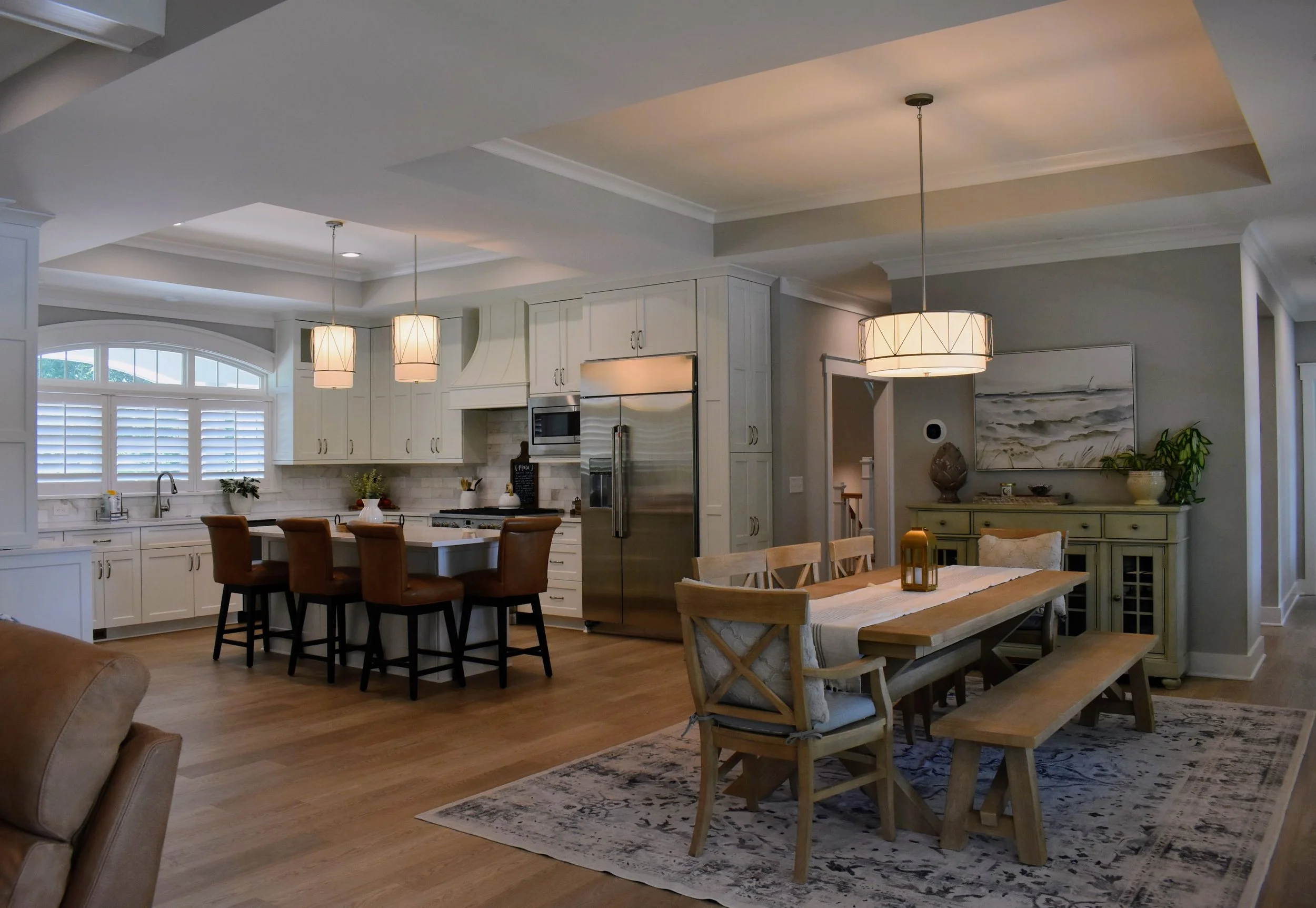
Don't Wait to Make Design Decisions
A custom home involves a lot of decisions.
Flooring.
Cabinetry.
Countertops.
Lighting.
Windows.
Doors.
Trim.
Paint.
Exterior materials.
Appliances.
Bathrooms.
Outdoor living spaces.
Making these choices doesn't necessarily happen all at once, but the earlier the overall design direction is established, the easier it becomes to create a cohesive home.
This is especially important when multiple finishes need to work together.
For example, flooring can influence cabinetry and trim selections, while exterior materials can affect everything from roof color to windows and doors.
That's why Warner Custom Homes begins discussing important selections during the planning process rather than treating them as an afterthought.
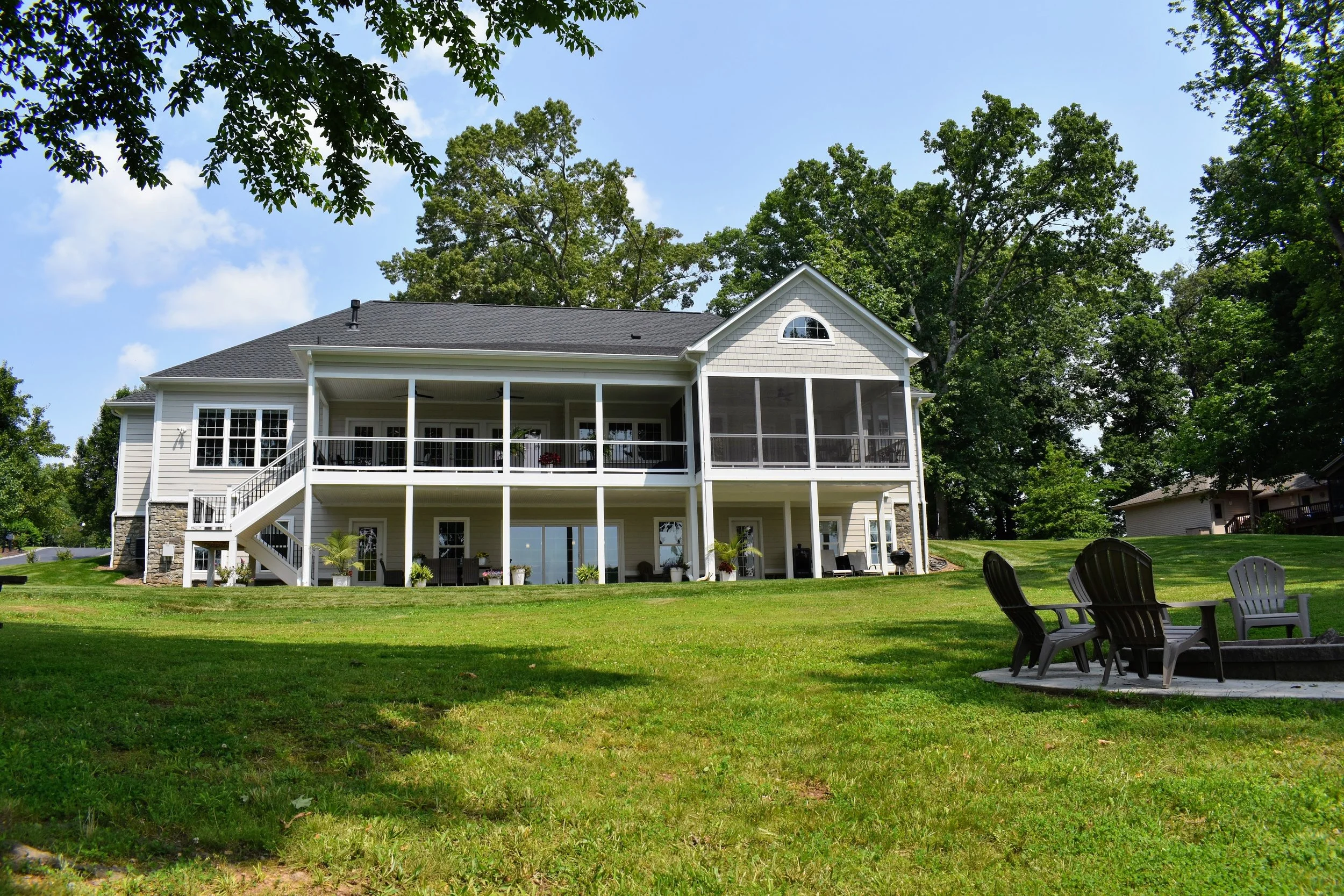
Plan Your Outdoor Living Space Early
If you live in Northern Virginia, your outdoor space can be an important part of how you enjoy your home.
And if you're building near Lake Anna, outdoor living may be one of the primary reasons you're building in the first place.
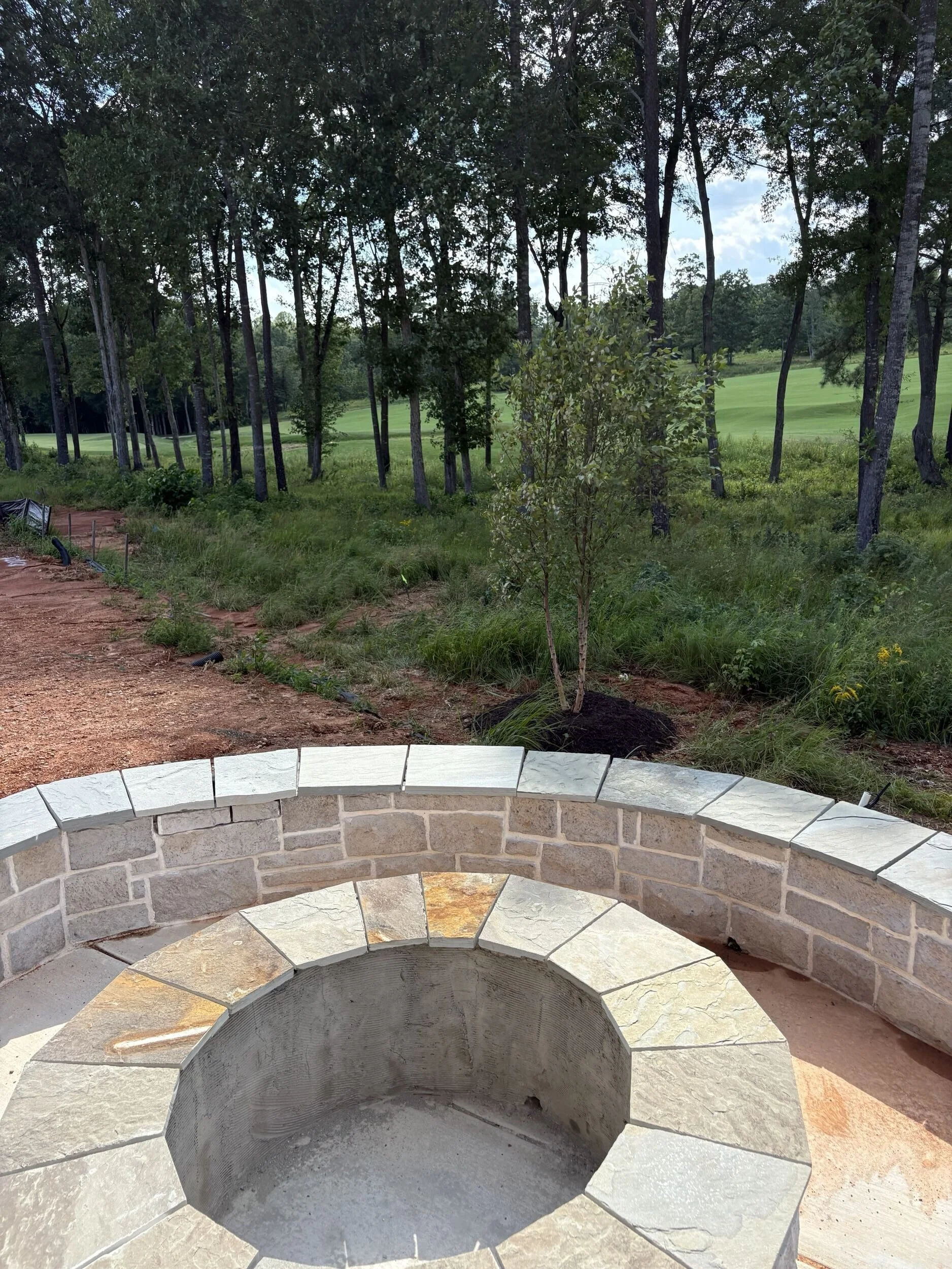
Covered porches, screened porches, patios, outdoor kitchens, fireplaces, and firepits can all be incorporated into the home's overall design.
The key is planning these spaces early.
Outdoor living features may require electrical connections, gas lines, plumbing, structural considerations, drainage, and other infrastructure.
Planning them after the home is already built can limit your options.
Our guide to designing the perfect outdoor living space for your Northern Virginia custom home explores some of the features homeowners are incorporating into today's custom homes.
Consider Energy Efficiency During Design
Energy efficiency is another area where early planning matters.
It's much easier to incorporate efficient building practices during the design and construction process than to retrofit major systems after a home is complete.
Depending on the project, homeowners may consider:
High-performance windows
Quality insulation
Air sealing
Efficient HVAC systems
Smart thermostats
Energy-efficient lighting
Efficient water heating
Properly designed building envelopes
The U.S. Department of Energy emphasizes that energy performance depends on how the various components of a home work together, including the building envelope and mechanical systems. The Department of Energy's whole-house approach provides additional information on how these systems interact.
Windows are another important consideration. The Department of Energy notes that factors such as glazing, frame materials, U-factor, and solar heat gain can all influence window performance. Learn more about energy-efficient window technologies from the Department of Energy.
For more ideas specific to custom construction, read our guide to energy efficiency and smart choices in custom home design.
Take Advantage of Digital Design Tools
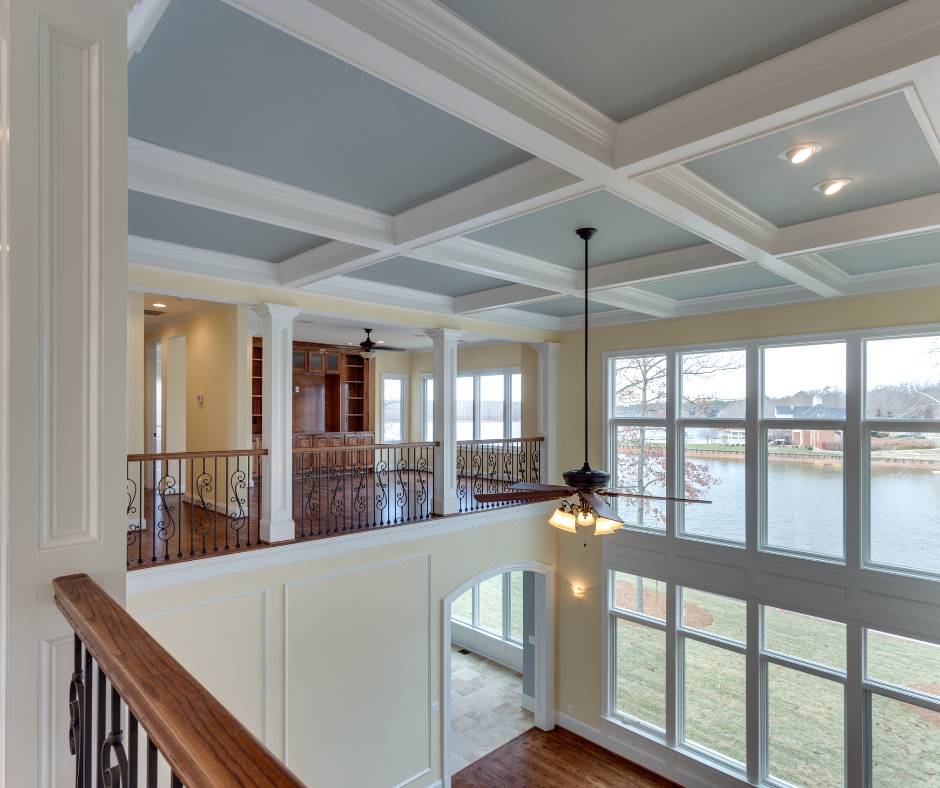
It can be difficult to visualize a house from a two-dimensional floor plan.
That's why digital design tools can be particularly valuable during the custom home process.
Warner Custom Homes uses digital design tools to help homeowners visualize aspects of their home before construction begins.
Depending on the project, this can help you better understand:
Room layouts
Exterior elevations
Window placement
Ceiling details
Kitchen configurations
Outdoor living spaces
Architectural features
Being able to see how different elements work together can make design decisions easier and help identify changes before construction begins.
You can learn more about Warner Custom Homes' digital plan tools.
Understand the Pre-Construction Process
Before construction begins, there are several important steps that need to happen behind the scenes.
These can include:
Initial consultation
Homesite evaluation
Budget development
Floor plan selection or design
Architectural planning
Engineering
Material and finish selections
Permitting
Site preparation planning
Construction scheduling
The exact process and timeline will vary depending on the home, property, location, and complexity of the project.
The important thing to understand is that construction is only one part of building a custom home.
The planning that happens beforehand can have a significant impact on the construction experience.
Why Fall Is a Good Time to Start
If you're hoping to build in the coming year, starting the conversation in the fall gives you valuable time.
Instead of trying to make every decision at once, you can work through the process in stages.
Fall can be a productive time to:
Explore homesites
Meet with builders
Establish a budget
Review floor plans
Begin design conversations
Research communities
Think through must-have features
Start making finish selections
Discuss construction timelines
The earlier you begin, the more opportunity you have to make thoughtful decisions rather than rushed ones.
We've previously discussed why summer is the best time to start planning your custom home, but the underlying principle remains the same: custom home construction rewards homeowners who plan ahead.
Choose a Builder Who Will Guide You
Building a custom home involves a lot of moving pieces.
That's why choosing the right builder matters.
You want a builder who will listen to your goals, communicate clearly, help you navigate decisions, and understand how all of the individual pieces fit together.
At Warner Custom Homes, we believe the relationship between homeowner and builder is one of the most important parts of the process.
Our approach is centered around communication, thoughtful planning, quality craftsmanship, and personalized service.
If you're researching builders, our guide to 10 questions to ask before hiring a custom home builder in Northern Virginia can help you prepare for those conversations.
Building in Northern Virginia, Lake Anna, or Beyond
Warner Custom Homes builds throughout Northern and Central Virginia, including Fredericksburg, Stafford County, Spotsylvania County, Culpeper County, Fauquier County, Lake Anna, and surrounding areas.
We also build on client-owned land, giving homeowners the opportunity to create a home that responds specifically to their property.
For those interested in lake living, Warner Custom Homes is a preferred builder at Tributer Resort, where homeowners can create custom homes designed around the community's setting and lifestyle.
Whether you already own land or are still searching for the right homesite, the first step is simply starting the conversation.
Your Custom Home Starts Before Construction
A custom home isn't created overnight.
The finished house may be what everyone sees, but the planning, conversations, drawings, selections, engineering, and decisions that happen beforehand are what make that finished home possible.
If you've been thinking about building a custom home, fall can be the perfect time to move from simply imagining the possibilities to beginning the planning process.
Take your time.
Ask questions.
Explore your options.
Think about how you want to live—not just where you want to live.
Then find a builder who can help turn that vision into a home designed specifically for you.
At Warner Custom Homes, we're ready to help you take that first step.
Explore our custom homebuilding services, learn more about where we build, or contact Warner Custom Homes to begin planning your custom home.
Frequently Asked Questions
How early should I start planning a custom home?
It's best to begin well before you want construction to start. Design, engineering, permitting, site preparation, selections, and scheduling can all take time, so starting early gives you more flexibility.
Can Warner Custom Homes build on land I already own?
Yes. Warner Custom Homes builds on client-owned properties throughout Northern and Central Virginia, as well as in established communities.
Do I need house plans before contacting a custom home builder?
No. Some homeowners come to Warner Custom Homes with completed plans, while others begin with a general idea. The team can help homeowners explore options and customize a plan around their lifestyle and property.
Can I customize a Warner Custom Homes floor plan?
Yes. Warner Custom Homes offers customizable plans that can be adapted to the homeowner's needs, preferences, and homesite.
Where does Warner Custom Homes build?
Warner Custom Homes builds throughout Northern and Central Virginia, including Lake Anna, Stafford County, Spotsylvania County, Culpeper County, Fauquier County, Fredericksburg, and surrounding communities.
Is fall a good time to contact a custom home builder?
Absolutely. If you're considering building in the coming year, fall is a good time to begin exploring your options, evaluating homesites, establishing a budget, and starting the design process.