
A great custom home should do more than look beautiful in a photograph. It should work beautifully for the people who live in it, no matter what time of year it is.
In Virginia, that means creating a home that can embrace crisp fall mornings, cold winter evenings, warm spring afternoons, and long summer days. It means thinking about how sunlight moves through the home, how your family uses indoor and outdoor spaces, where you gather with friends, and how the home can remain comfortable throughout the changing seasons.
When you build a custom home, you have the opportunity to think about those details from the beginning.
Whether you're envisioning a lake home at Lake Anna, a home in Fawn Lake, a property in Stafford County, or a custom home on land you already own, thoughtful design can help you create a home that feels right all year long.
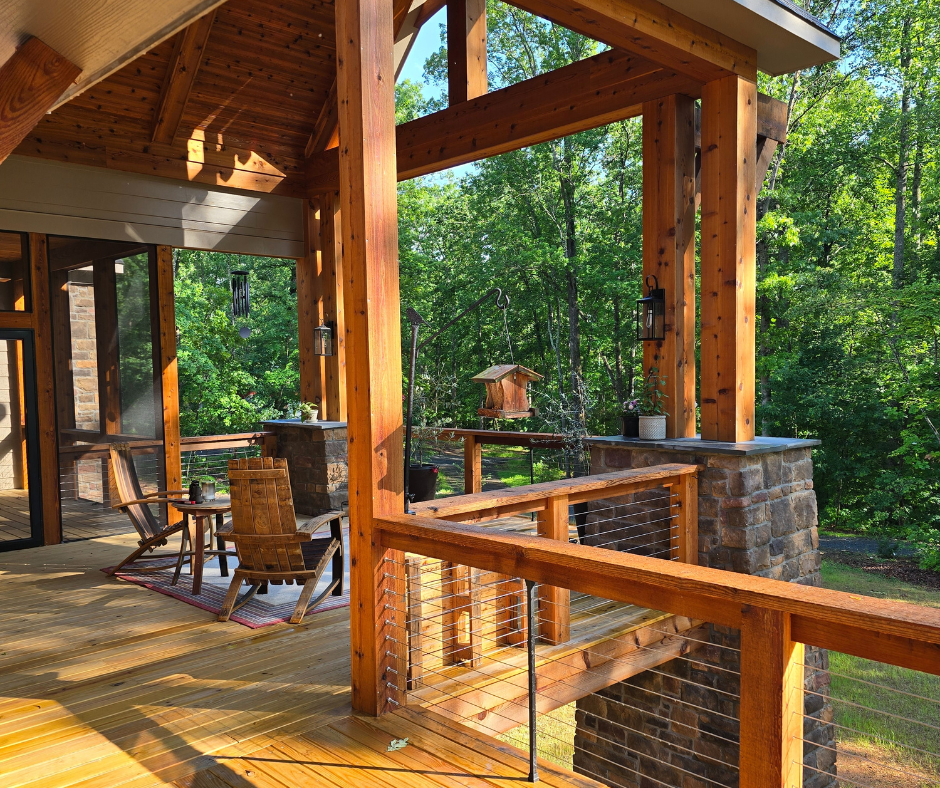
What Makes a Custom Home Work Year-Round?
A year-round home isn't necessarily one with a room dedicated to every season.
Instead, it is a home designed with flexibility in mind.
The best year-round home designs consider how natural light, outdoor spaces, windows, insulation, heating and cooling, entertaining areas, storage, and everyday living spaces work together.
This is one of the advantages of working with a custom home builder in Virginia. Rather than starting with a predetermined layout and trying to make it fit your lifestyle, you can think about how you actually want to live and design your home accordingly.
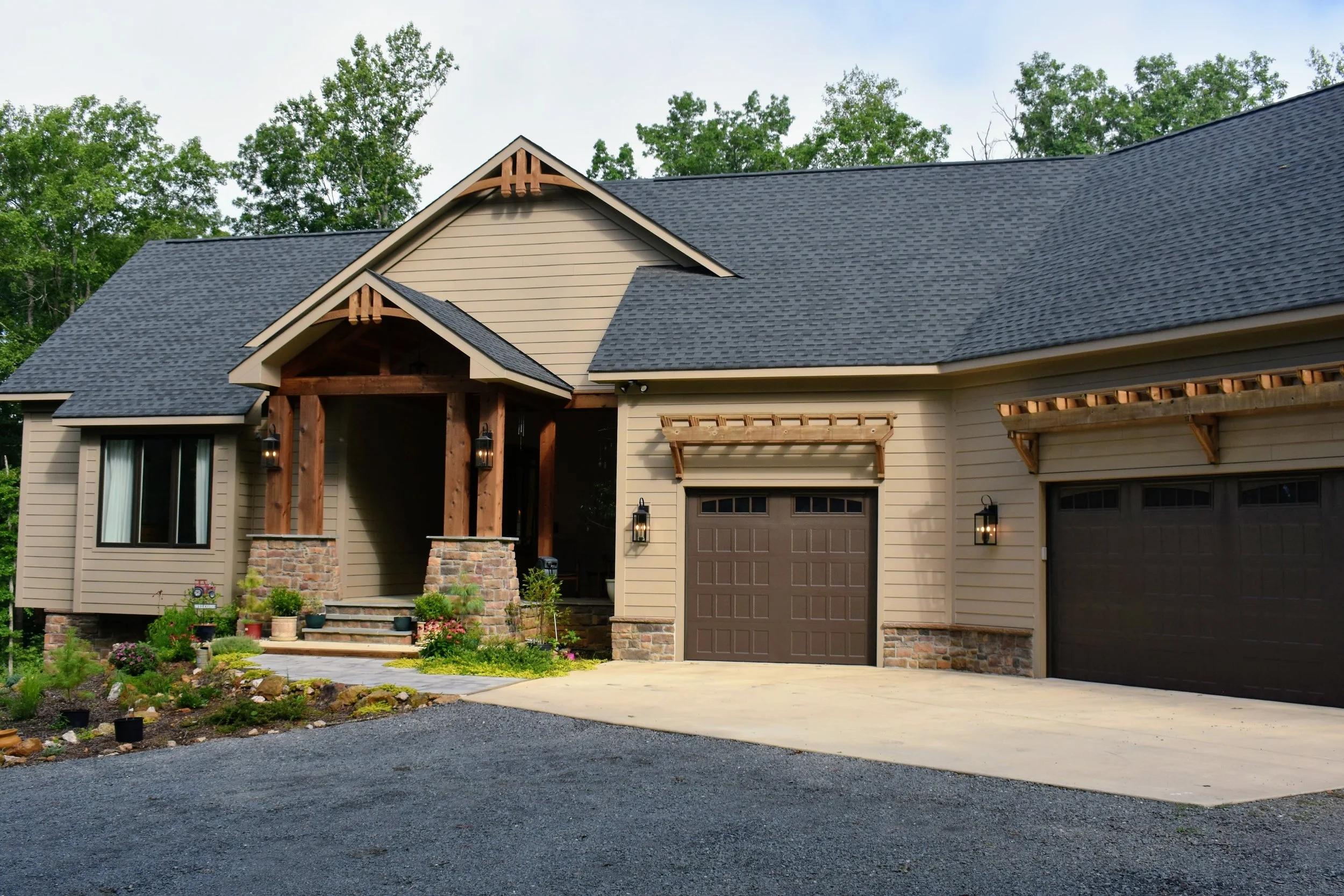
1. Create a Strong Connection Between Indoor and Outdoor Living
In Virginia, outdoor living can be an important part of enjoying your home.
A well-designed outdoor space can become an extension of the home's living area, giving you somewhere to relax, entertain, dine, or simply enjoy your surroundings.
Depending on your property and lifestyle, that could mean:
A screened porch
Covered patio
Outdoor kitchen
Fire pit area
Pool or pool deck
Outdoor dining area
Large patio doors
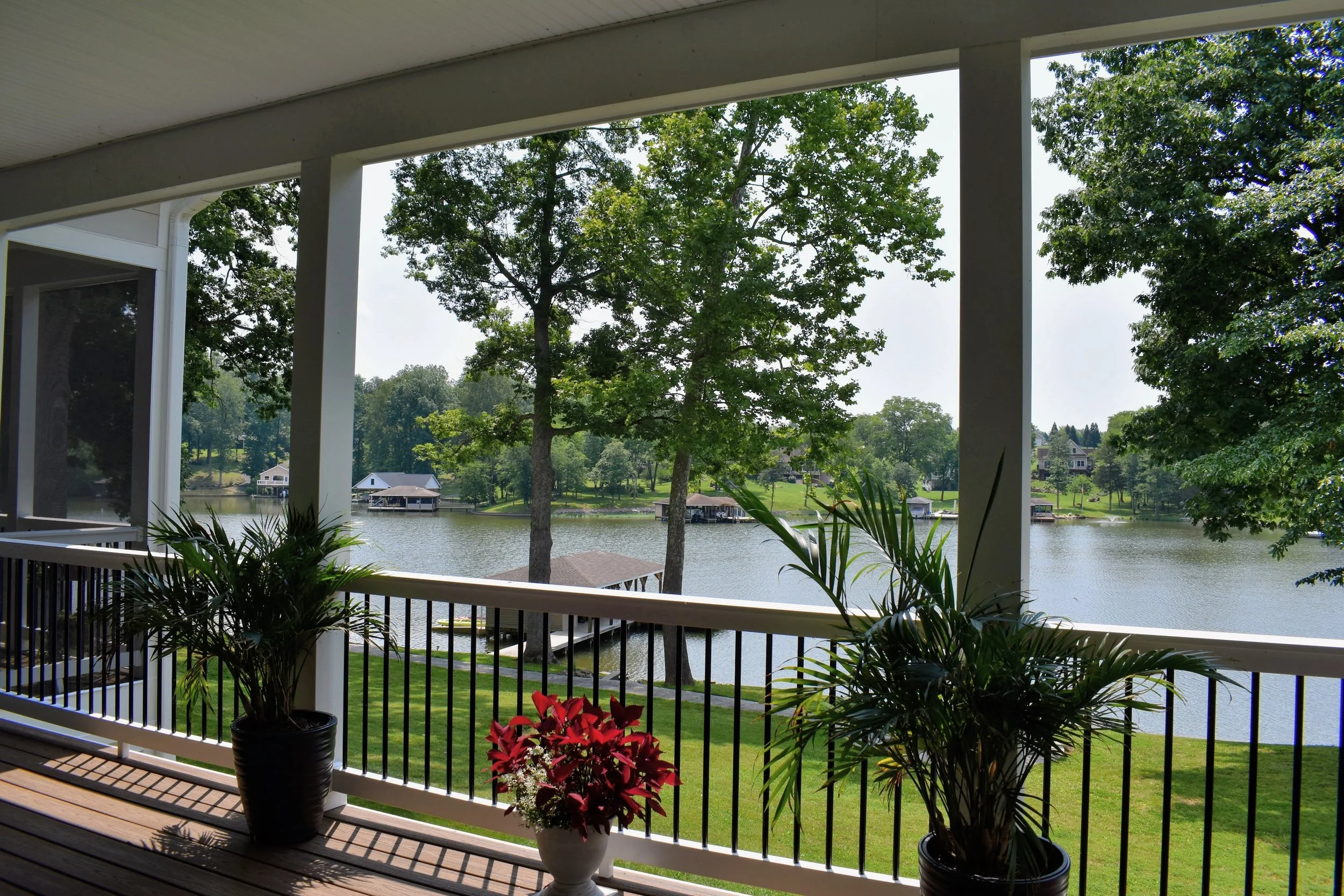
A porch overlooking a lake or wooded property
Comfortable seating areas for entertaining
The key is to think about outdoor living during the initial design process rather than trying to add it later.
The location of the porch, patio, windows, and doors can all influence how naturally indoor and outdoor spaces connect.
For homeowners considering a lake property, Warner's Lake Anna communities offer opportunities to design a home around the area's natural setting, including homes at Tributer Resort, Mill Run, and on your own lot.
2. Design Outdoor Spaces for More Than Just Summer
Outdoor living doesn't have to end when summer does.
With the right design, outdoor spaces can remain useful well into fall and, depending on the space and weather, even into the colder months.
Covered areas can provide protection from sun and light rain. Screened porches can make spring and fall evenings more comfortable. Fire features can create a natural gathering point when temperatures drop.
When planning your outdoor spaces, think about how you want to use them in October, November, April, and May, not just July.
Consider:
Shade
Protection from rain
Outdoor heating
Lighting
Comfortable seating
Outdoor fireplaces or fire pits
Dining areas
Access to the kitchen
Views from inside the home
A custom home gives you the opportunity to design those elements together.
3. Let Natural Light Work for You
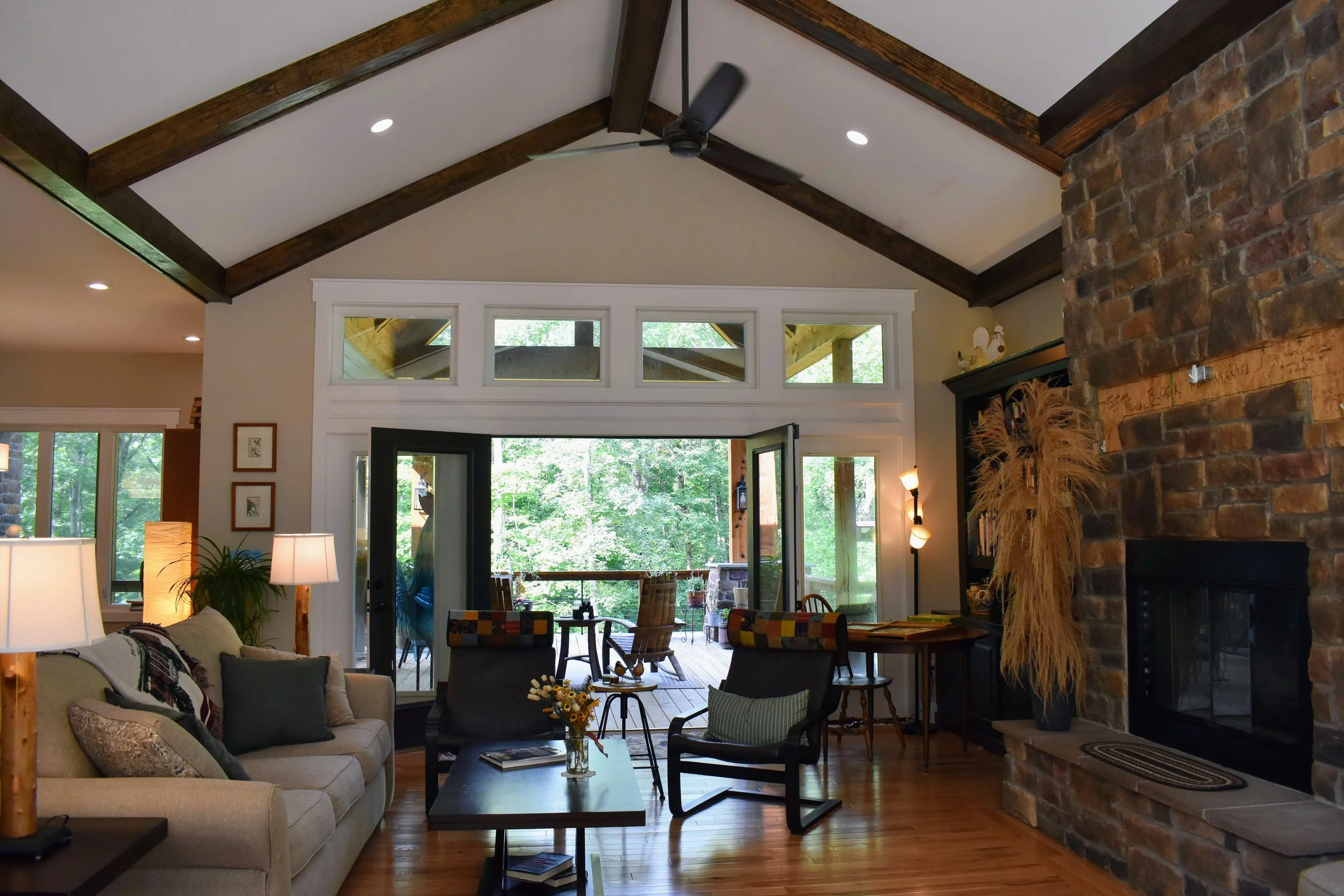
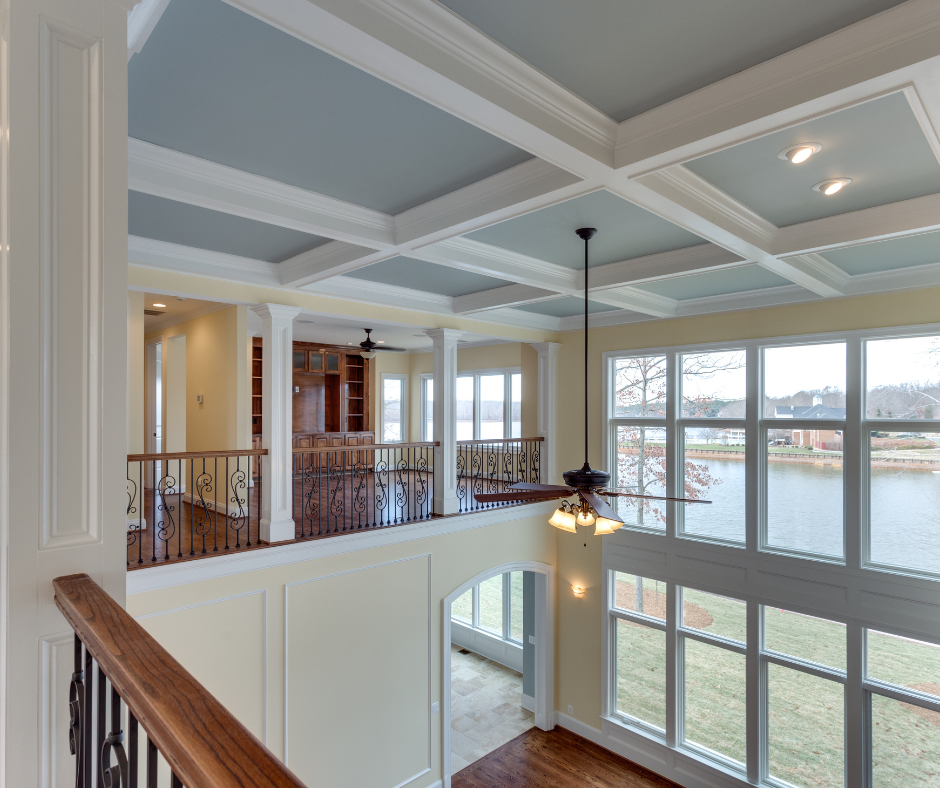
Natural light can dramatically change the way a home feels.
Windows can brighten living spaces, highlight architectural features, frame views, and create stronger connections with the outdoors.
But window placement is about more than aesthetics.
The U.S. Department of Energy notes that strategic window placement can help maximize natural lighting while also influencing heating and cooling needs. Its guidance on passive solar design explains that a home's orientation, windows, layout, materials, and surrounding landscape can all contribute to how the home gains and manages heat from the sun.
That makes window placement an important conversation during the design process.
Think about:
Where you want morning sunlight
Where afternoon light enters the home
Which rooms benefit from large windows
Where you want to frame outdoor views
Which windows may need additional shading
How the home's orientation affects natural light
How window placement can support comfort throughout the year
The goal isn't simply to have more windows. It's to have the right windows in the right places.
4. Take Advantage of Virginia's Seasonal Changes
One of the reasons Virginia is such an appealing place to live is that every season brings something different.
Your home can be designed to take advantage of those changes.
Large windows can frame fall foliage. A screened porch can become a favorite gathering space during spring and summer. A fireplace can create a cozy focal point during winter. A covered outdoor area can provide shade during warmer months.
Think about the views surrounding your property and how you want to experience them.
If you're building on acreage, for example, you may want to orient living spaces toward mature trees, open fields, or distant views.
If you're building near the water, your home's orientation may be centered around the lake.
If you're building in an established community, the design may focus on privacy, landscaping, neighborhood views, or outdoor amenities.
That's where custom design becomes especially valuable: the home can respond to the property rather than ignoring it.
5. Build Comfort Into the Home's Envelope
Year-round comfort starts with what's behind the walls.
Insulation, air sealing, and high-performance windows can all play an important role in maintaining consistent indoor temperatures and reducing unwanted heat transfer.
ENERGY STAR explains that a complete thermal enclosure combines comprehensive air sealing, properly installed insulation, and high-performance windows to improve comfort, durability, and energy performance.
Explore ENERGY STAR's guidance on complete thermal enclosures to learn more about how these elements work together.
When you're building a home from the ground up, these considerations can be incorporated into the design and construction process from the beginning.
That can be much more effective than trying to address comfort or efficiency concerns after the home is already built.
6. Think Beyond the Thermostat
Heating and cooling are obviously important in a year-round Virginia home, but comfort involves more than simply setting the thermostat.
The design and installation of the home's HVAC system can affect temperature consistency, humidity, indoor air quality, noise, and energy use.
ENERGY STAR recommends properly designed and installed heating and cooling systems as part of an efficient new home. High-efficiency systems can also contribute to improved comfort, moisture control, indoor air quality, and quieter operation.
Learn more about ENERGY STAR's recommendations for high-efficiency heating and cooling.
This is another reason to think about home performance early in the design process.
The size and layout of the home, window placement, insulation, air sealing, ductwork, and HVAC system all interact with one another.
7. Create Cozy Gathering Spaces for Cooler Months
Summer may get plenty of attention when people imagine their dream home, but some of the most memorable moments happen when everyone is gathered inside.
Think about the spaces where your family naturally comes together.
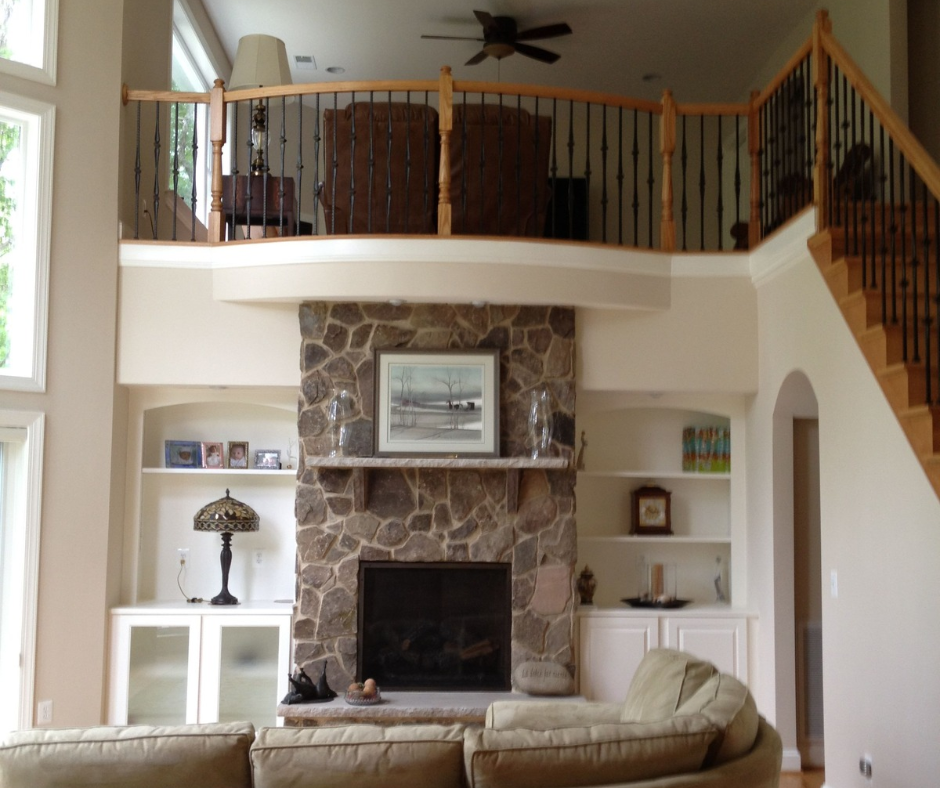
A great room with a fireplace can become the heart of the home during the colder months. A kitchen with a large island can give everyone a place to gather while meals are being prepared. A dining area positioned near large windows can make everyday meals feel connected to the outdoors.
Other features worth considering include:
Fireplaces
Comfortable seating areas
Built-in cabinetry
Reading nooks
Home libraries
Large kitchen islands
Beverage stations
Dining spaces
Flexible gathering rooms
The goal isn't to fill your home with features simply because they're popular.
Instead, think about what will make your home feel comfortable and inviting when the weather keeps everyone indoors.
8. Give Your Kitchen a Role in Every Season
The kitchen is often one of the hardest-working spaces in a home.
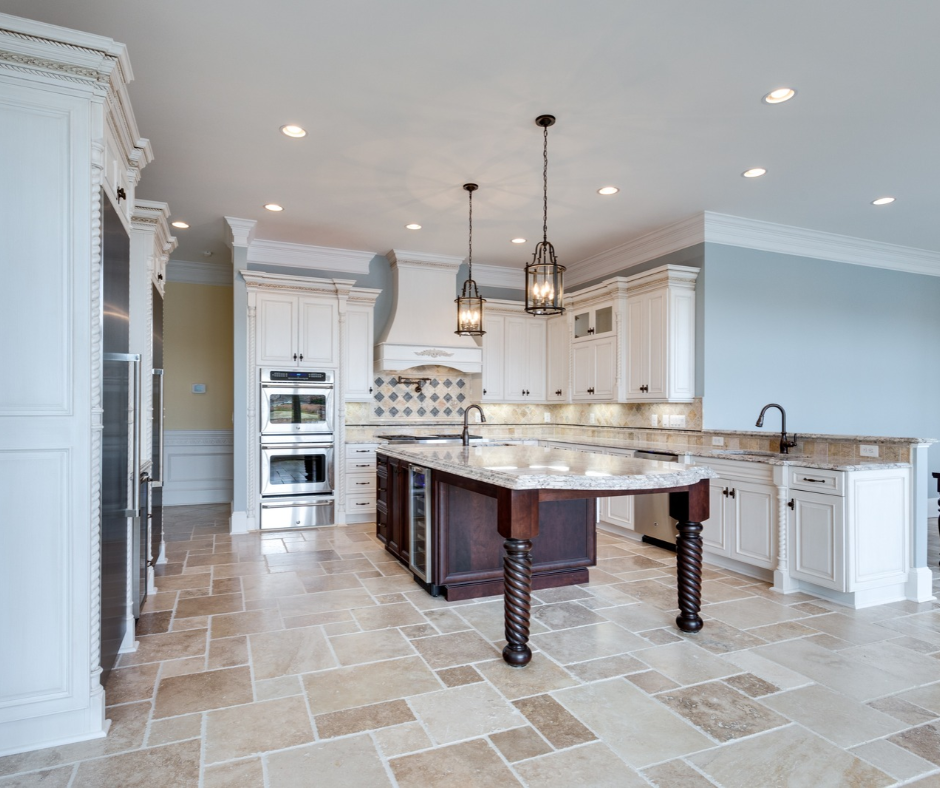
In summer, it may connect directly to an outdoor kitchen or patio for entertaining. In fall, it can become a gathering place for family meals. During the holidays, it may be the center of activity. And in winter, it can become a warm, welcoming space for everyday routines.
When designing a custom kitchen, consider how you want it to function throughout the year.
Think about:
Storage
Pantry space
Counter space
Seating
Natural light
Appliance placement
Connections to dining areas
Connections to outdoor spaces
Traffic flow
Entertaining
A custom kitchen should work for everyday life, not just special occasions.
9. Don't Forget About Storage and Entry Spaces
Seasonal living also means seasonal belongings.
Coats, boots, sports equipment, gardening supplies, outdoor furniture, holiday decorations, and recreational gear all need somewhere to go.
Thoughtful storage can make a home feel more organized throughout the year.
Consider incorporating:
A dedicated mudroom
Walk-in pantry
Coat storage
Built-in cabinetry
Garage storage
Utility spaces
Linen closets
Seasonal storage
Drop zones near entrances
These aren't necessarily the features that make the biggest impression in a home tour, but they're often the features homeowners appreciate every day.
10. Design Flexible Spaces That Can Change With You
A custom home should be designed for the life you have now while leaving room for the life you may have later.
That could mean designing a home office that can eventually become a guest room. A bonus room might serve as a playroom today and a hobby space later. A flexible first-floor room could accommodate guests, aging parents, or changing family needs.
Think about spaces that can serve multiple purposes rather than dedicating every room to a single function.
This can make your home more adaptable without necessarily making it larger.
11. Consider the Property When Designing the Home
A custom home should respond to its setting.
Before finalizing a design, look closely at the property itself.
Where does the sun rise and set? Where are the best views? Which areas offer privacy? Where does water naturally move across the property? Which trees or landscape features are worth preserving?
The U.S. Department of Energy's guidance on passive solar design emphasizes that the home's orientation, windows, room layout, materials, and surrounding landscape can all influence how the home manages sunlight and temperature.
Read the U.S. Department of Energy's guide to passive solar home design for additional information about how orientation and design can work together.
You don't have to design a fully passive solar home to benefit from thinking carefully about your home's relationship with the sun and its surroundings.
Sometimes, thoughtful planning is simply about placing the right room in the right location.
12. Think About Year-Round Living When Choosing Your Community
The setting around your home can be just as important as the home itself.
Warner Custom Homes builds throughout Central and Northern Virginia, including Lake Anna, Fawn Lake, Culpeper, Stafford, Spotsylvania, Louisa, Madison, Fauquier, and Orange County.
Each area offers a different setting and lifestyle.
For example, Fawn Lake is a private, gated community in Spotsylvania County with access to a lake, championship golf course, trails, and resort-style amenities.
At Lake Anna, homeowners can explore options including Tributer Resort, Mill Run, and building on their own lot.
In Stafford County, homeowners can enjoy proximity to Fredericksburg and Northern Virginia while still having access to natural surroundings. Explore Warner's Stafford County homes.
Thinking about how you'll use your community throughout the entire year can help you determine what you want from both your homesite and your home.
A Custom Home Designed for Every Season
The best custom homes aren't designed for one perfect day.
They're designed for ordinary Tuesdays, summer weekends, holiday gatherings, quiet winter evenings, spring mornings, and everything in between.
They're designed for the way your family lives now and the ways your needs may change in the future.
That means considering more than finishes and floor plans. It means thinking about sunlight, comfort, outdoor living, storage, flexibility, energy efficiency, entertaining, and the relationship between your home and its surroundings.
When you work with an experienced custom home builder, those details can become part of the conversation from the beginning.
Build a Home That Works for You All Year Long
If you're considering building a custom home in Virginia, now is the time to start thinking beyond the floor plan.
Think about how you want to wake up in the morning. Where you want to spend summer evenings. Where everyone will gather during the holidays. How you want to enjoy the views from your property. And what you want your home to feel like when the seasons change.
Warner Custom Homes works with homeowners to create homes that are personalized to their vision, property, lifestyle, and budget.
Whether you're considering building at Lake Anna, building in Fawn Lake, building in Stafford County, or building on your own lot, the process starts with a conversation.
Ready to Start Designing Your Dream Home?
Contact Warner Custom Homes to discuss your vision and start the journey to a home designed for the way you want to live, in every season.