
If building a custom home is on your list for 2027, fall is the perfect time to start planning.
While spring and summer may seem like the obvious seasons to think about building, starting the custom home process in the fall gives you something incredibly valuable: time.
Time to explore potential homesites. Time to establish your budget. Time to think about how you want your home to function. Time to find the right custom home builder. And time to work through the many decisions that go into creating a home that is truly yours.
A custom home is a significant investment, and the process involves much more than choosing a floor plan and picking out finishes. The decisions you make before construction begins can have a lasting impact on the home you ultimately build.
If you're hoping to build a custom home in Virginia in 2027, starting the conversation this fall can put you in a much stronger position when you're ready to move forward.
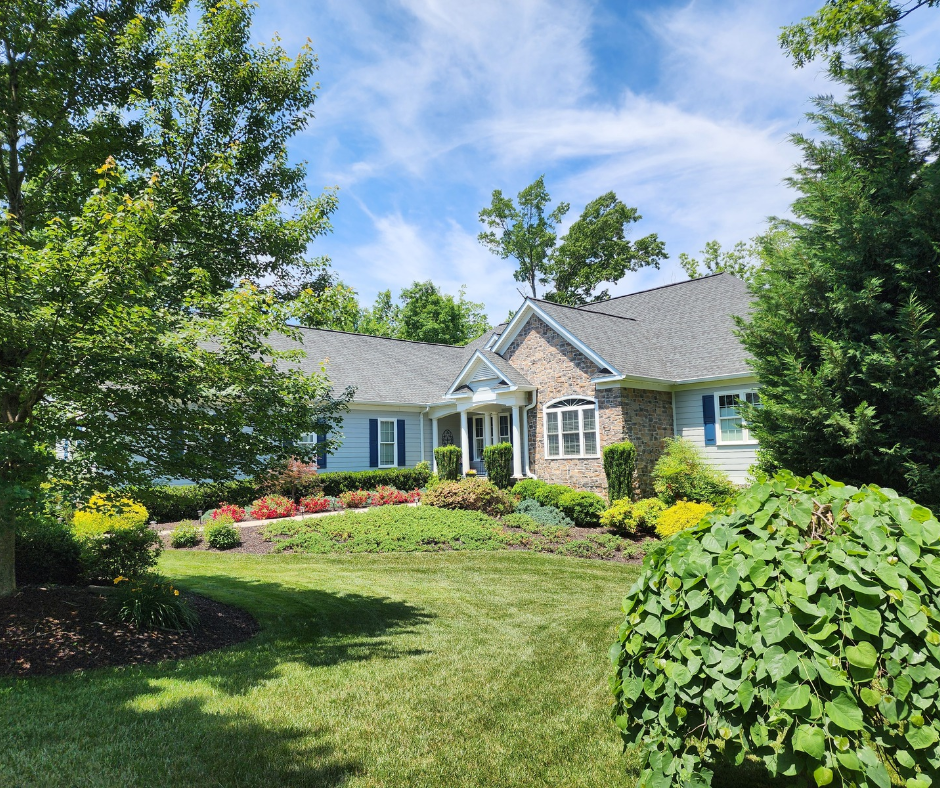
Why Fall Is the Right Time to Start Planning a Custom Home
Building a custom home doesn't happen overnight.
Before construction begins, homeowners may need to identify a property, establish a budget, select or develop a home plan, make design decisions, navigate permitting requirements, and prepare for construction.
Starting in fall 2026 gives you the opportunity to work through those decisions over the coming months rather than trying to make them all at once.
Since 2007, Warner Custom Homes has helped homeowners throughout Central and Northern Virginia create homes designed around their individual needs, preferences, properties, and lifestyles.
If you're just beginning to explore the idea of building, now is the time to start gathering information and thinking about what you want your future home to look like.
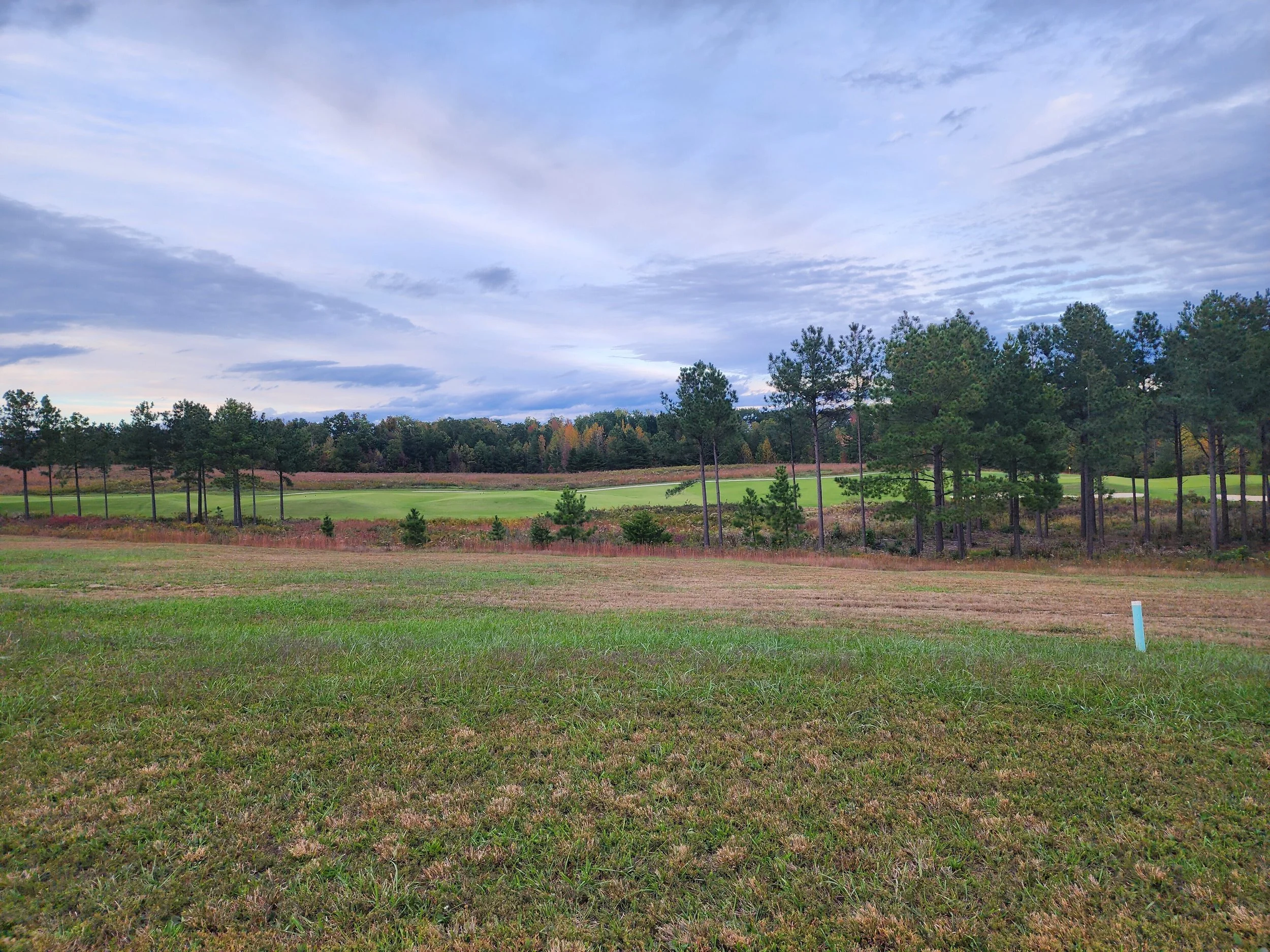
1. Establish Your Custom Home Budget
Before you start picking countertops or deciding how many bedrooms you want, establish a realistic budget.
Your budget will influence nearly every part of your project, including the size of your home, the complexity of the design, your homesite, the materials you choose, and the features you ultimately include.
Starting this conversation early gives you time to consider:
Your overall construction budget
The cost of purchasing land, if you still need a homesite
Financing and construction lending
Desired square footage
Architectural style
Interior finishes
Outdoor living spaces
Energy-efficiency goals
Future lifestyle needs
Features that are essential versus features that can be adjusted
It can be helpful to divide your wish list into three categories: must-haves, nice-to-haves, and features you're willing to reconsider.
That list can become a useful guide as you work through the design process.
The goal isn't simply to determine how much you can spend. It's to understand how you want to allocate your investment so the finished home reflects what matters most to you.
2. Start Looking for the Right Homesite
If you haven't purchased land yet, fall is an excellent time to begin exploring potential homesites.
The property you choose will influence the design and construction of your home. A wooded lot, waterfront property, rural acreage, or established neighborhood lot may each present different opportunities and considerations.
Before purchasing land, consider:
The size and shape of the property
Topography and slope
Views and natural features
Privacy
Sun exposure
Driveway access
Utilities
Drainage
Soil conditions
Local zoning and building requirements
Neighborhood restrictions or architectural guidelines
Proximity to work, schools, recreation, and amenities
The right lot can help shape the home itself.
Already own the land where you want to build? Warner Custom Homes works with homeowners who want to build on their own lots in the Fredericksburg, Culpeper, and Lake Anna regions. Warner can work with you through plan selection and customization, permitting, and construction to create a home that fits your property and lifestyle.
Starting this conversation early can also help you understand what opportunities and considerations your particular property may present.

3. Think About How You Actually Live
One of the biggest advantages of building a custom home is the ability to design it around your lifestyle.
Instead of trying to make your life fit an existing floor plan, you can think about how you want each space to function.
Start by asking yourself questions such as:
How do we spend most of our time at home?
Do we regularly entertain family and friends?
Do we work from home?
Do we need a dedicated office?
Would a larger pantry make everyday life easier?
Do we need additional storage?
Would a mudroom help organize our daily routines?
Do we want a first-floor primary suite?
How important is outdoor living?
Do we need flexible rooms that can change as our needs change?
It's also worth thinking beyond the next few years.
A home designed around your current lifestyle should still work for you as that lifestyle evolves. Flexible spaces, thoughtful storage, first-floor living options, and adaptable rooms can help a home remain functional over time.
That is one of the defining benefits of working with a custom home builder: your home can be designed around the way you live.
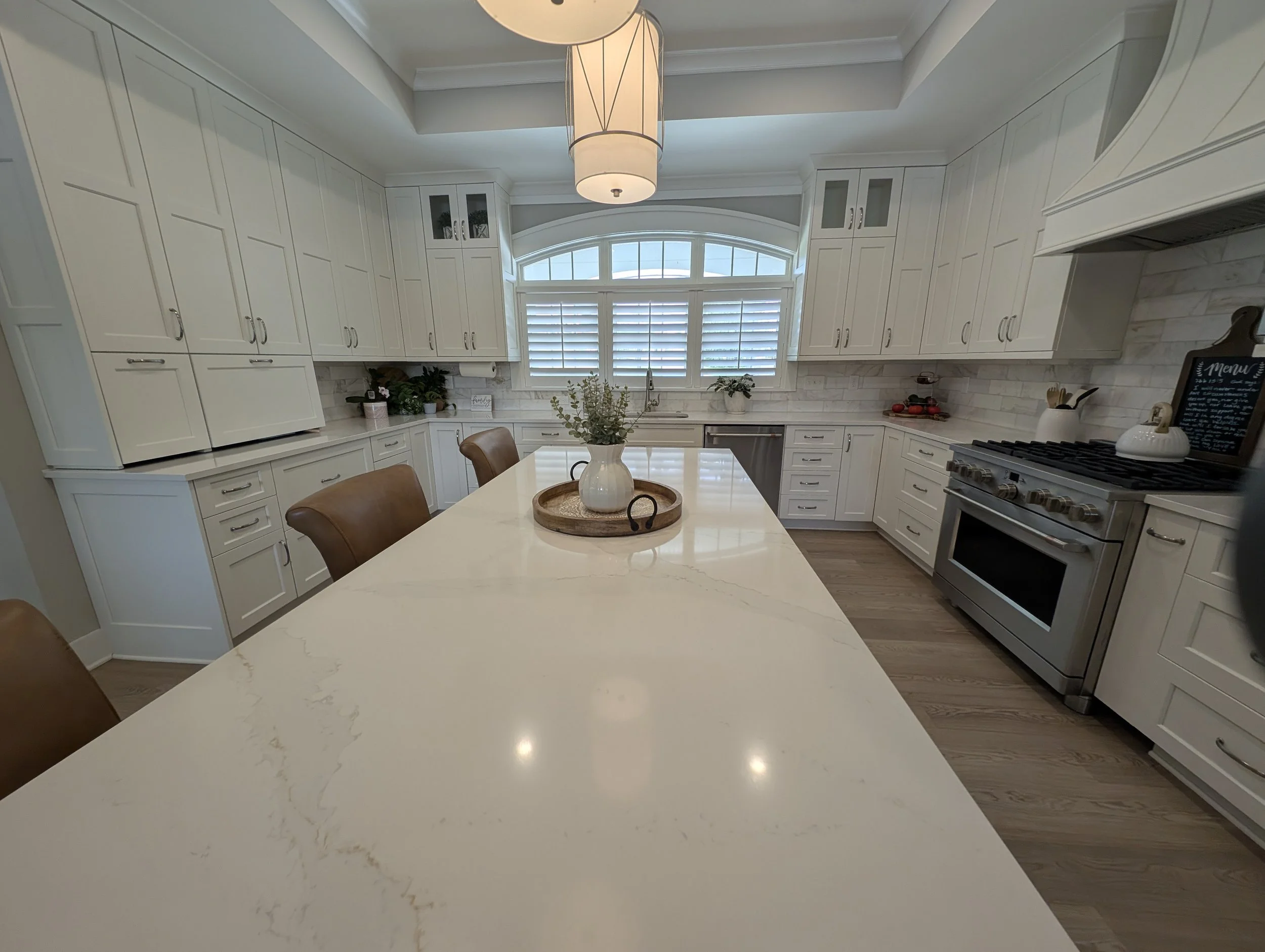
4. Begin Gathering Design Inspiration
Once you've started thinking about your budget, homesite, and lifestyle, it's time to start exploring what you want your home to look and feel like.
You don't need to have everything figured out.
In fact, you don't need to know exactly what your finished home will look like before you talk to a builder.
Instead, start collecting inspiration.
Save examples of:
Exterior styles
Kitchens
Bathrooms
Flooring
Cabinetry
Lighting
Windows
Doors
Fireplaces
Home offices
Mudrooms
Outdoor kitchens
Screened porches
Patios
Garages
Storage solutions
Landscaping
As you collect ideas, pay attention to what consistently catches your eye.
You may discover that you prefer a particular architectural style, want an open kitchen and living area, or keep saving homes with large windows and strong connections to outdoor spaces.
Those patterns can help you communicate your priorities when you begin working with your builder.
You can also explore Warner Custom Homes' communities and building locations throughout Virginia to get a better sense of the areas where you could build your future home.

5. Consider Energy Efficiency During the Design Process
Energy efficiency shouldn't be an afterthought.
When you're building a home from the ground up, you have the opportunity to consider the home's overall performance during the design and construction process.
The U.S. Environmental Protection Agency's ENERGY STAR program emphasizes the importance of a complete thermal enclosure, including properly installed insulation, comprehensive air sealing, and high-performance windows. These components work together to improve comfort and reduce energy use.
Learn more about ENERGY STAR's recommendations for a complete thermal enclosure.
You may also want to consider:
Insulation
Air sealing
Window performance
HVAC system design
Efficient appliances
Lighting
Water heating
Indoor air quality
Long-term operating costs
ENERGY STAR also recommends properly designed and installed heating and cooling systems as part of an energy-efficient new home.
Explore ENERGY STAR's guidance for high-efficiency heating and cooling.
The important takeaway is that energy efficiency is about more than choosing an efficient appliance. It's about considering how the components of the home work together.
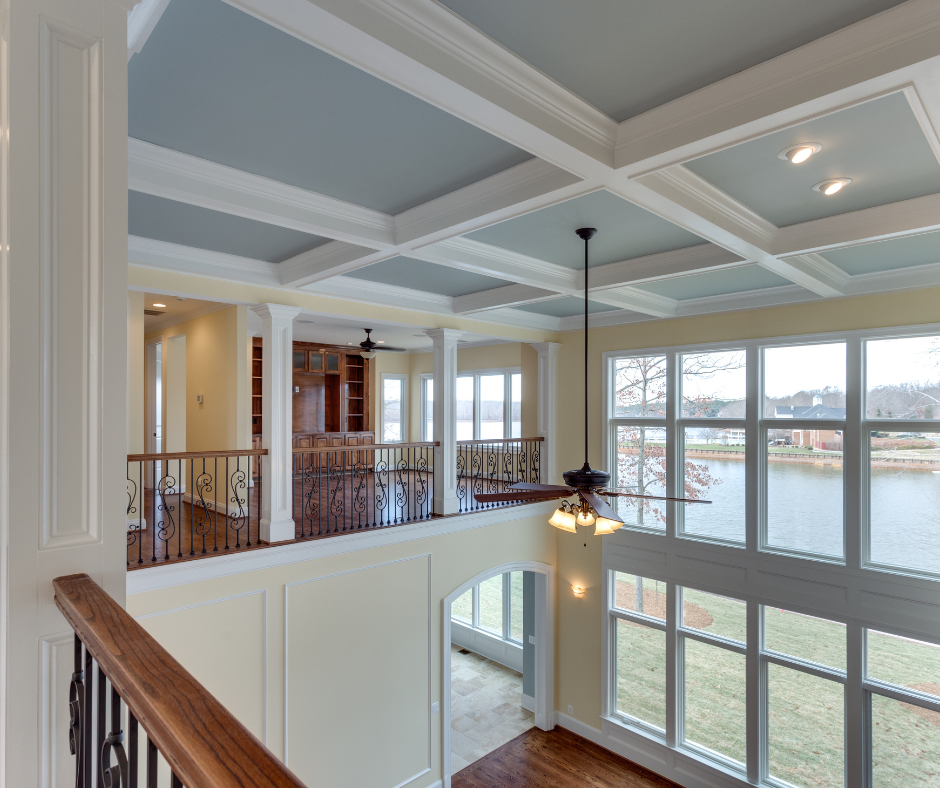
6. Give Yourself Time for Permitting and Pre-Construction
There's a lot that happens before construction begins.
Depending on your property and the scope of your project, the pre-construction process may involve architectural plans, site planning, engineering, permitting, selections, and other preparation.
Virginia's construction requirements are governed by the Virginia Uniform Statewide Building Code, with requirements that can vary depending on the project and jurisdiction.
Starting early gives you more time to work through these steps without feeling like every decision has to happen immediately.
Rather than waiting until you're ready to break ground to begin planning, use the fall and winter months to get ahead of the process.
7. Explore Where You Want to Build
Your dream home is only part of the equation.
Where you build matters, too.
Warner Custom Homes builds in communities and areas throughout Virginia, including Lake Anna, Fawn Lake, Culpeper, Stafford, Spotsylvania, Louisa, Madison, Fauquier, and Orange County.
If lake living is part of your vision, explore Warner's Lake Anna custom homes, including opportunities at Tributer Resort, Mill Run, and on your own lot.
For homeowners interested in a private, resort-style community, learn more about building a custom home in Fawn Lake, where Warner builds homes designed around the community's setting and amenities.
If you're looking for a location with convenient access to Fredericksburg and Northern Virginia, explore Warner's Stafford County building opportunities.
Taking the time to explore different communities now can help you determine not only where you want to live, but what type of home and homesite will best suit your lifestyle.
8. Choose Your Custom Home Builder Early
One of the most important decisions you'll make is choosing the right builder.
And you don't have to wait until you're ready to break ground to start that conversation.
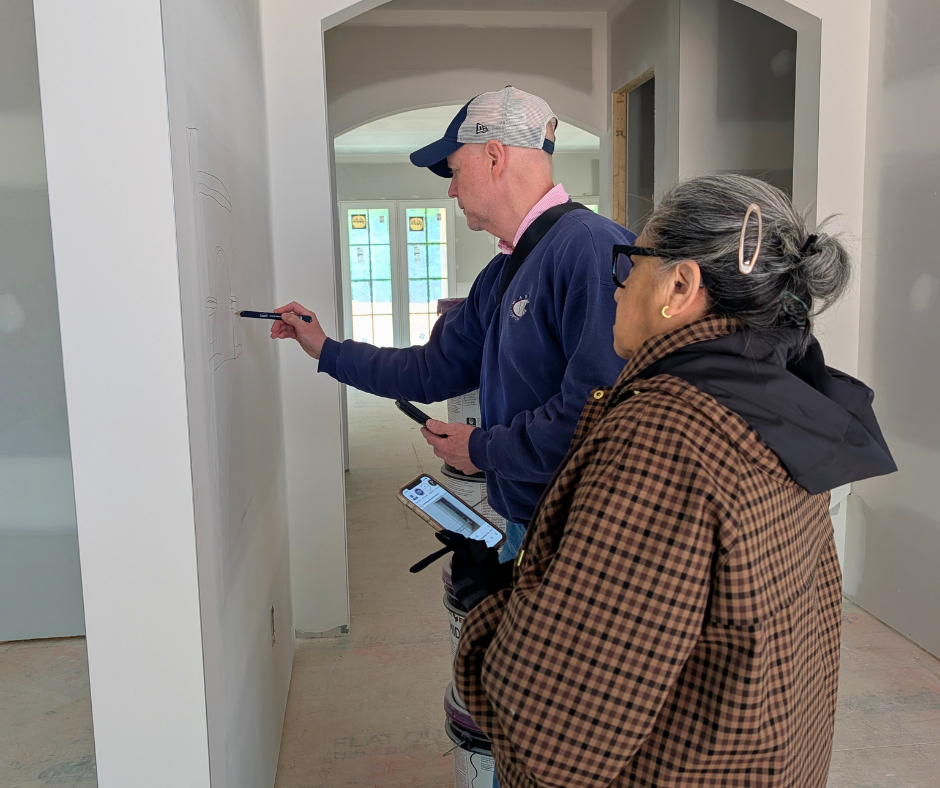
Meeting with potential builders early allows you to learn about their experience, communication style, service area, and approach to custom construction.
When evaluating a custom home builder, ask:
How long have you been building custom homes?
Where do you build?
Do you build on client-owned land?
How involved are homeowners in the design process?
How are budgets established and managed?
How is communication handled throughout construction?
What happens during the pre-construction process?
What should I know about building on my particular homesite?
Can you provide examples of completed homes?
Warner Custom Homes has been building in the Fredericksburg area since 2007 and emphasizes communication, quality, individuality, and a partnership approach throughout the custom-home process.
Before choosing a builder, take the time to research the company, review its work, understand its process, and ask questions about what you can expect throughout construction.
9. Use the Winter Months to Refine Your Plans
If you start planning your custom home this fall, the winter months can become an important part of the process.
Instead of spending the winter simply imagining what your future home could look like, you can use that time to refine the details.
That may mean:
Finalizing your homesite
Refining your floor plan
Reviewing architectural details
Making material selections
Prioritizing features
Working through your budget
Understanding permitting requirements
Discussing construction expectations
Finalizing details with your builder
Giving yourself several months to work through these decisions can make the overall process feel much more manageable.
It also gives you time to reconsider a decision when needed rather than making a choice simply because construction is about to begin.
10. Start With the Home You Want to Live In
Perhaps the most important part of planning a custom home is remembering why you're building one in the first place.
A custom home should be more than a collection of popular features.
It should reflect how you want to live.
Maybe that means a spacious kitchen where your family gathers every evening. Maybe it's a screened porch overlooking the lake. Maybe it's a quiet home office, a first-floor primary suite, a dedicated space for hobbies, or an outdoor entertaining area.
The beauty of custom homebuilding is that the details can be personal.
You aren't simply selecting from what already exists. You're creating a home around your priorities.
Your 2027 Custom Home Starts With Planning Today
If you're thinking about building a custom home in Virginia in 2027, you don't have to have everything figured out today.
You simply need to start.
Fall is an ideal time to begin researching communities, exploring homesites, establishing your budget, collecting design inspiration, and talking with experienced custom home builders.
Whether you're envisioning a lake home at Lake Anna, a home in Fawn Lake, a property in Stafford or Culpeper, or a custom home on land you already own, starting early gives you time to make thoughtful decisions.
Warner Custom Homes works with homeowners throughout Central and Northern Virginia to create homes designed around their vision, lifestyle, property, and budget.
Ready to Start Planning Your 2027 Custom Home?
If you've been thinking about building but aren't sure where to begin, now is the time to start the conversation.
Contact Warner Custom Homes to discuss your vision, learn more about the process, and start the journey to your dream home.