
The exterior of your home is the first thing people see, but its design involves much more than choosing a paint color or selecting a style of siding.
From the materials covering the home's exterior to the windows, doors, architectural details, and outdoor living spaces, every decision contributes to the overall appearance and character of your home.
One of the advantages of building a custom home is the opportunity to bring these elements together in a way that reflects your personal style. You can select materials that complement one another, incorporate architectural details that make the home distinctive, and create outdoor spaces that extend your living area beyond the walls of your home.
Whether you're envisioning a traditional Virginia home, a modern farmhouse, a lakeside retreat, or something entirely your own, thoughtful exterior design can make all the difference.
At Warner Custom Homes, we work with homeowners throughout Central and Northern Virginia to create custom homes that reflect their individual preferences, properties, and lifestyles.
If you're beginning to plan your custom home, here are several exterior design considerations worth exploring.
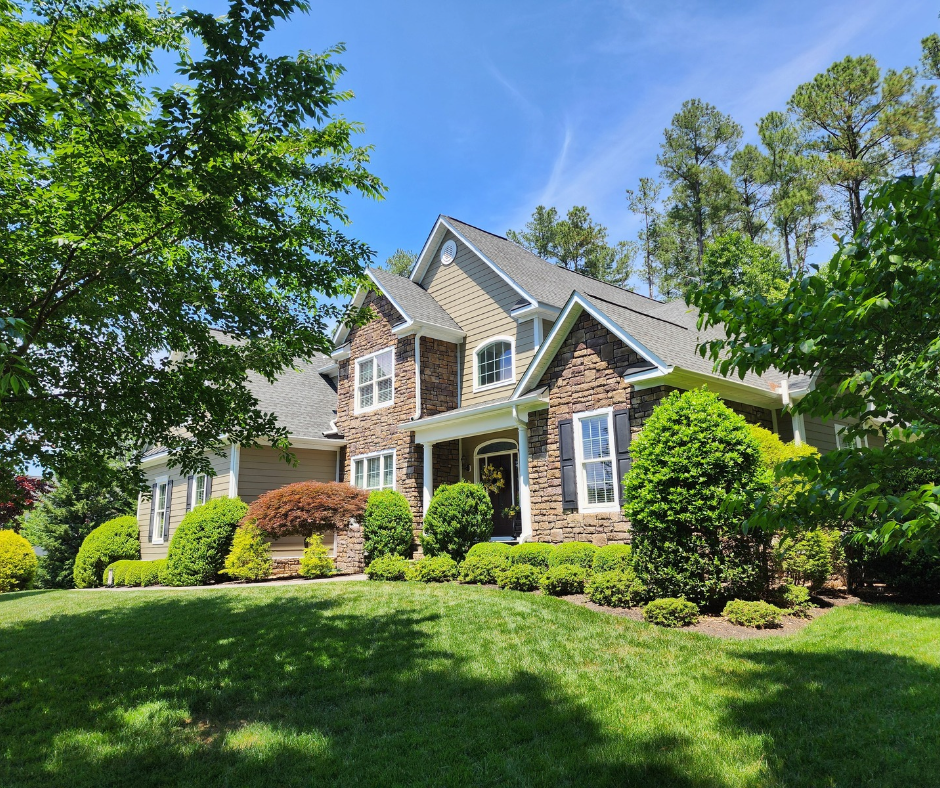
1. Choose Exterior Materials That Complement Your Home's Style
The materials you choose will establish much of your home's exterior character. They influence its architectural style, visual texture, maintenance requirements, and how it fits into the surrounding landscape.
There are many options to consider, and you don't necessarily have to limit yourself to just one.
Combining different materials can create depth, contrast, and architectural interest while giving your home a more personalized appearance.
Siding
Siding is one of the most prominent features of a home's exterior. The style, color, and texture you select can significantly influence the overall look of your home.
Popular siding options include:
Fiber cement siding: Offers a versatile appearance, with options that can replicate traditional wood siding while providing a different maintenance profile.
Vinyl siding: Available in a variety of colors and profiles, offering a lower-maintenance exterior option.
Wood siding: Provides natural warmth and character, with different profiles and finishes that complement traditional, rustic, and contemporary designs.
Engineered wood siding: Offers the appearance of traditional wood with manufactured performance characteristics.
The right choice depends on your architectural style, budget, desired appearance, and maintenance preferences.
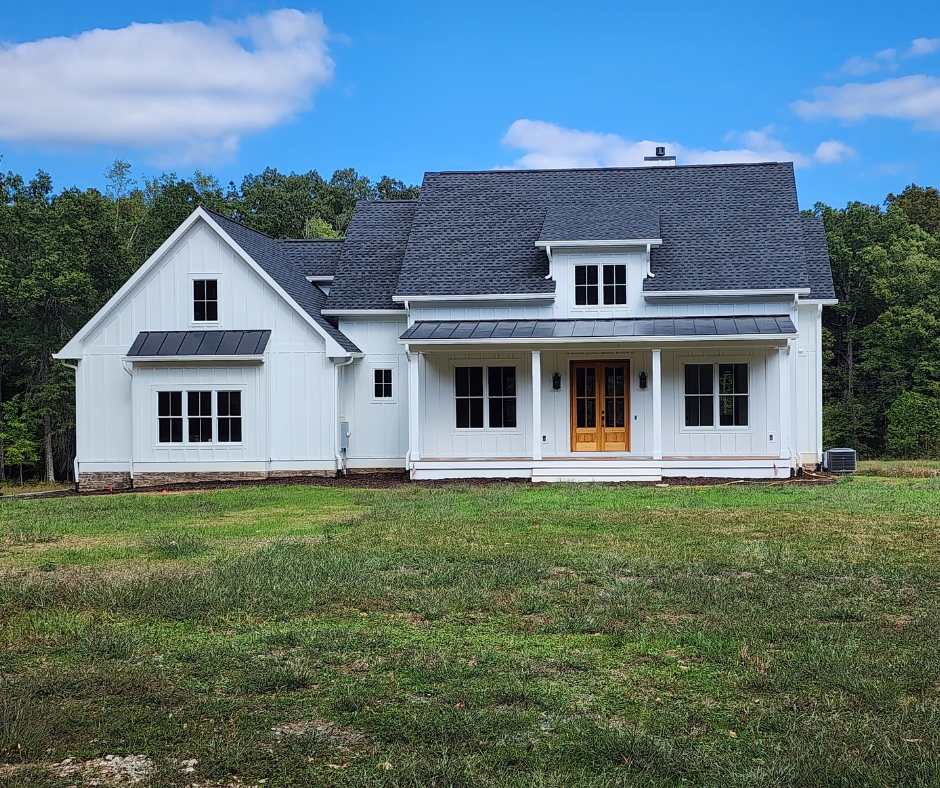
Brick and Stone
Brick and stone can add texture, dimension, and a timeless quality to a home's exterior.
These materials are often used as prominent architectural features, including:
Brick or stone foundations
Exterior accent walls
Front porch columns and entryways
Chimneys and fireplaces
Exterior wall sections
Garage surrounds
Natural stone can create a distinctive, organic appearance, while brick offers a wide range of colors, patterns, and traditional styles.
You can also combine masonry with siding to create contrast between different sections of the home.
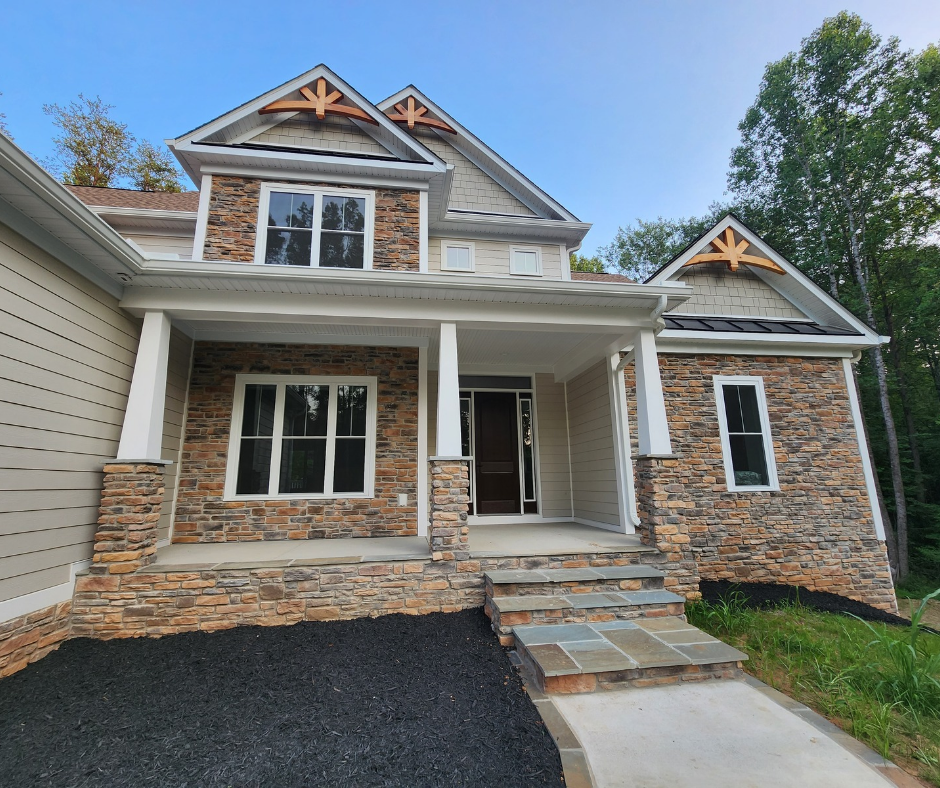
Wood Accents
Wood elements can introduce warmth and visual interest to an exterior.
Consider incorporating wood into:
Exposed beams
Porch ceilings
Wrapped exterior columns
Decorative brackets
Entryway details
Exterior trim and accent features
For example, stained wood beams paired with light-colored siding and stone accents can create a welcoming exterior with a blend of traditional and modern design elements.
When selecting exterior wood products, consider the finish, exposure to moisture and sunlight, and the maintenance required to preserve their appearance.
The key is choosing materials that work together rather than competing for attention.
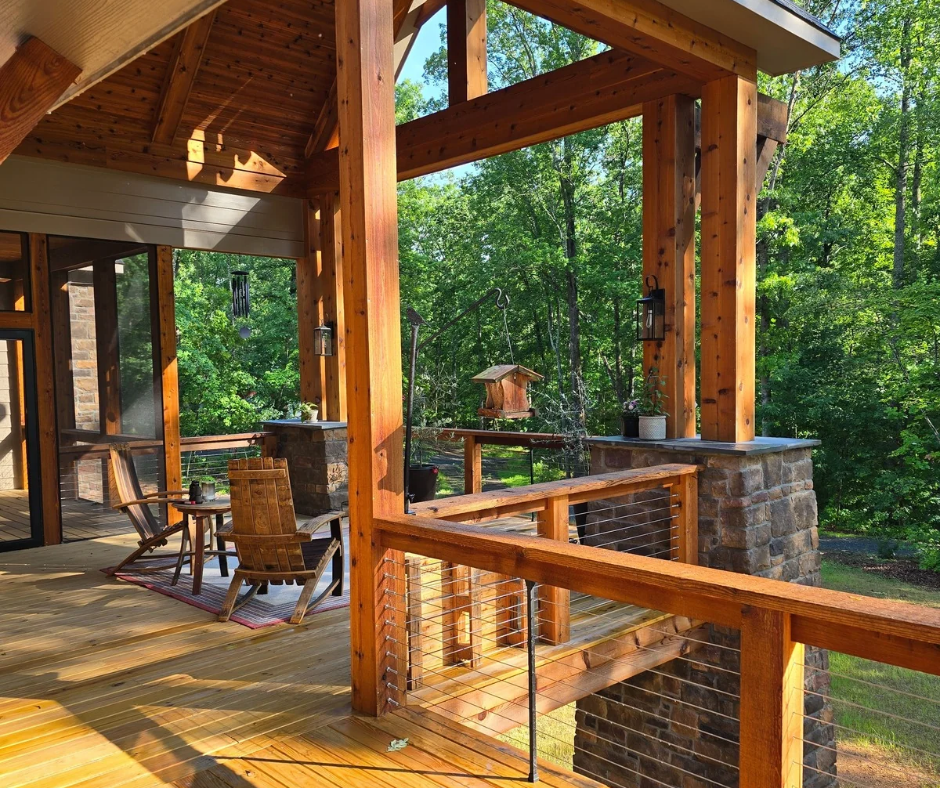
2. Coordinate Exterior Colors and Finishes
Once you've narrowed down your materials, the next step is deciding how their colors and finishes will work together.
Your home's exterior color palette should feel cohesive across the siding, roofing, trim, windows, doors, and architectural accents.
You don't need to use the same color throughout the entire exterior. In fact, incorporating a few complementary colors can help highlight architectural details and create visual interest.
Start With a Primary Exterior Color
The primary exterior color typically covers the largest portion of the home, making it the foundation of your color palette.
Some popular directions include:
Warm whites and creams for a classic, welcoming appearance
Soft grays for a neutral, versatile exterior
Earthy greens and muted natural tones for a home that blends with its surroundings
Deep blues and darker neutrals for a more distinctive look
Warm beige and taupe tones for a traditional aesthetic
Consider the surrounding landscape, the architectural style of your home, and the appearance of neighboring properties when narrowing down your choices.
Incorporate Contrasting Trim and Accents
Trim colors can help define the home's architectural features.
White trim against darker siding creates a crisp contrast, while darker trim can give a lighter exterior a more contemporary appearance.
You can also use accent colors to highlight:
Window frames
Exterior doors
Garage doors
Porch railings
Columns
Shutters
Decorative exterior details
The goal is to create a color combination that feels intentional throughout the entire exterior.
Consider the Finish of Each Material
Color is only one part of the decision. Texture and finish also affect how materials look together.
For example, natural stone has a different visual character than smooth siding. Stained wood introduces variation and warmth, while painted surfaces create a more consistent appearance.
Before finalizing your selections, look at material samples together whenever possible. A color or finish that looks appealing on its own may appear very different when paired with other exterior materials.
3. Select Windows and Exterior Doors That Make an Impact
Windows and exterior doors are functional features, but they also play a significant role in your home's architectural design.
Their size, shape, placement, frame color, and style can influence the entire appearance of the exterior.
Window Styles and Placement
The right windows can help establish your home's architectural character while bringing natural light into the interior.
Some considerations include:
Window proportions: Larger windows can create a more open appearance, while smaller or divided windows may complement traditional architectural styles.
Window shapes: Arched, rectangular, and specialty-shaped windows can add architectural interest.
Frame colors: Black, white, bronze, and other finishes can create different looks depending on the home's exterior palette.
Window groupings: Multiple windows placed together can create visual balance and make certain rooms more prominent from the outside.
Natural views: Window placement can take advantage of surrounding trees, landscaping, water views, and other features of the property.
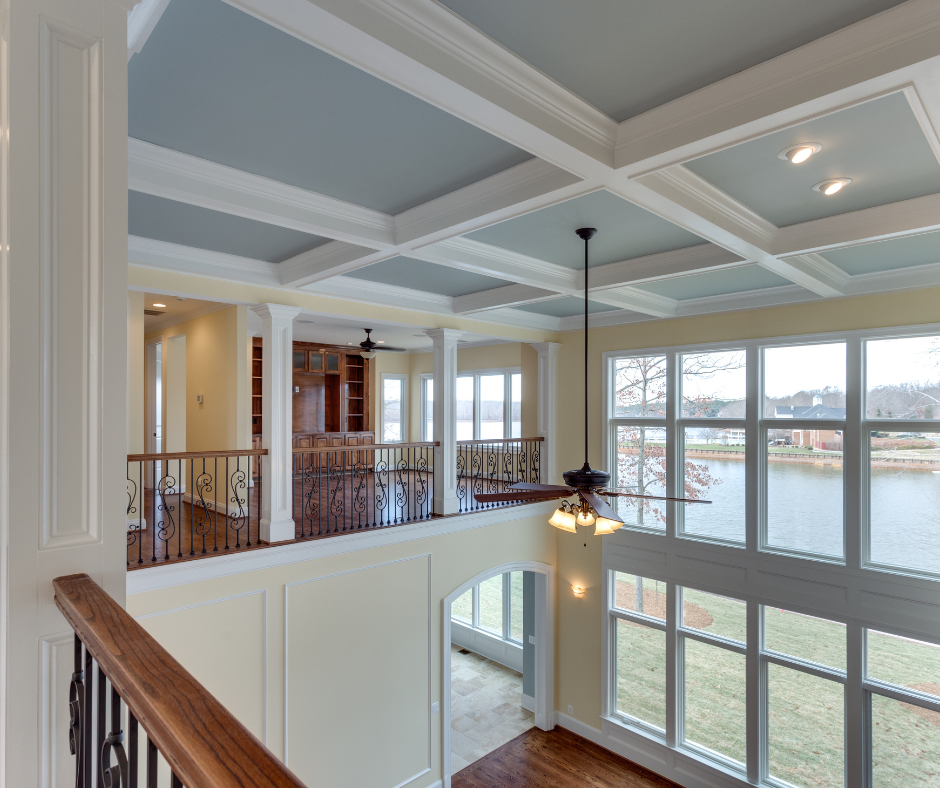
For homes in Virginia, it's also important to consider window performance.
The U.S. Department of Energy recommends evaluating window efficiency based on factors such as U-factor and Solar Heat Gain Coefficient (SHGC). These ratings help homeowners understand how windows transfer heat and manage solar energy.
You can learn more about selecting energy-efficient residential windows and doors through the U.S. Department of Energy.
Choosing an Exterior Door
Your front entry is often one of the most noticeable features of your home.
A well-chosen front door can complement the home's architectural style while creating a welcoming focal point.
Consider:
Traditional or contemporary door styles
Single or double entry doors
Decorative glass panels
Wood, fiberglass, or steel construction
Hardware finishes
Exterior color and surrounding trim
You may also want to coordinate the front door with garage doors, side entrances, and doors leading to outdoor living spaces.
Don't Overlook Energy Performance
A home's windows and exterior doors should look great, but they also need to perform.
Look for products with appropriate energy-efficiency ratings for your home's location and consider how the glazing, framing materials, installation, and sealing contribute to overall performance.
The ENERGY STAR program for residential windows, doors, and skylights provides guidance on certified products and performance criteria.
Selecting these features during the design process allows you to consider both appearance and functionality from the beginning.
4. Design Outdoor Living Spaces That Extend Your Home
Your home's exterior doesn't end at the walls.
Porches, patios, decks, and other outdoor living areas can become some of the most enjoyable spaces on your property.
When designing a custom home, think about how you want to use your outdoor spaces and how they can connect with the home's interior.
Screened Porches
A screened porch offers a comfortable place to enjoy the outdoors while providing protection from insects and other elements.
Depending on the home's layout, a screened porch may connect to the kitchen, dining area, or main living space.
Consider how you want to furnish the space, whether you'll include a dining area, and how it will be used throughout the year.
Covered Porches and Outdoor Seating
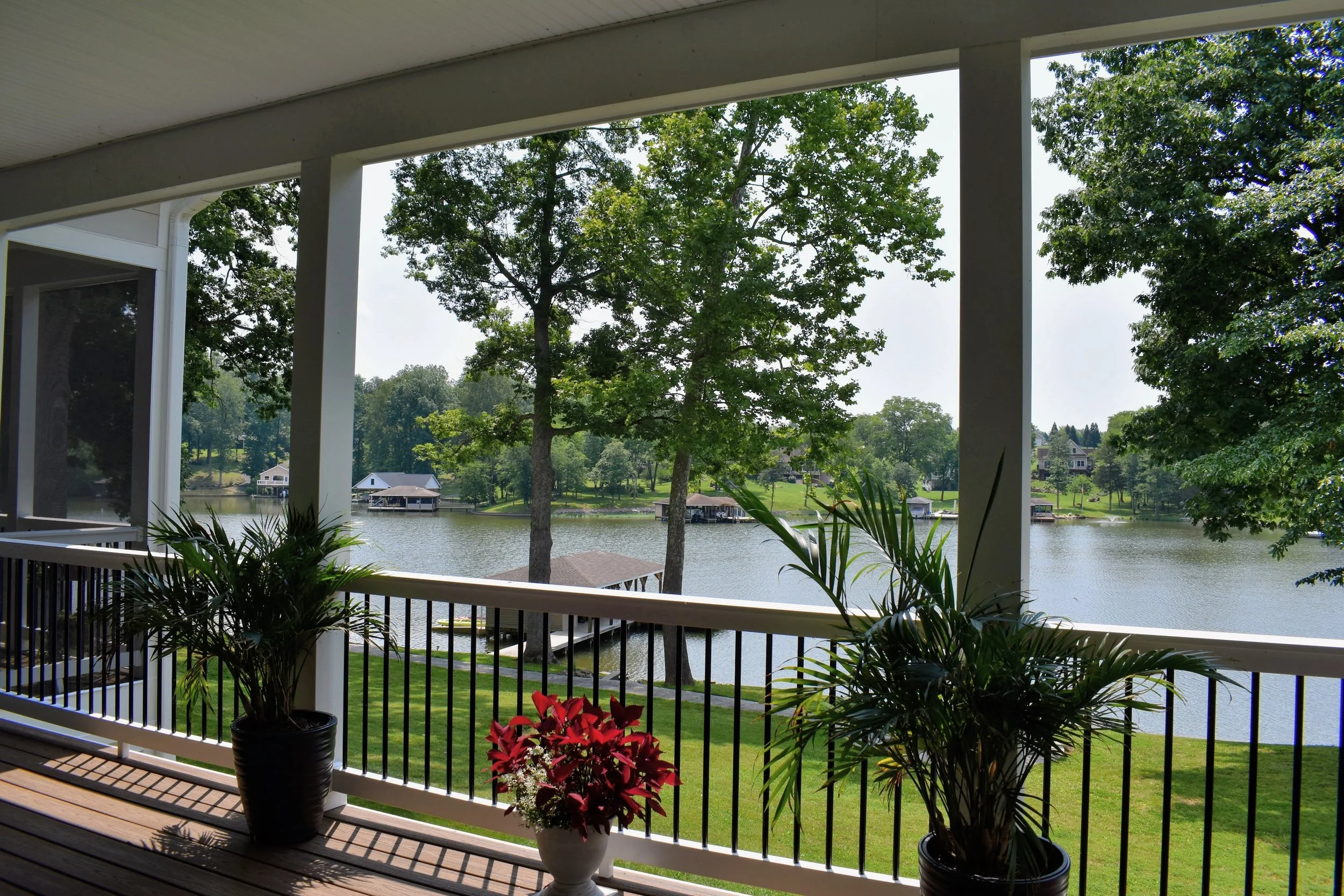
A covered front or rear porch can provide additional space for relaxing, entertaining, and enjoying the surrounding landscape.
Think about:
Porch depth and overall size
Ceiling finishes and exposed beams
Columns and railings
Lighting and ceiling fans
Furniture arrangements
Access from the home's interior
These details can make a porch feel like a natural extension of your home rather than an afterthought.
Patios and Outdoor Entertaining Areas
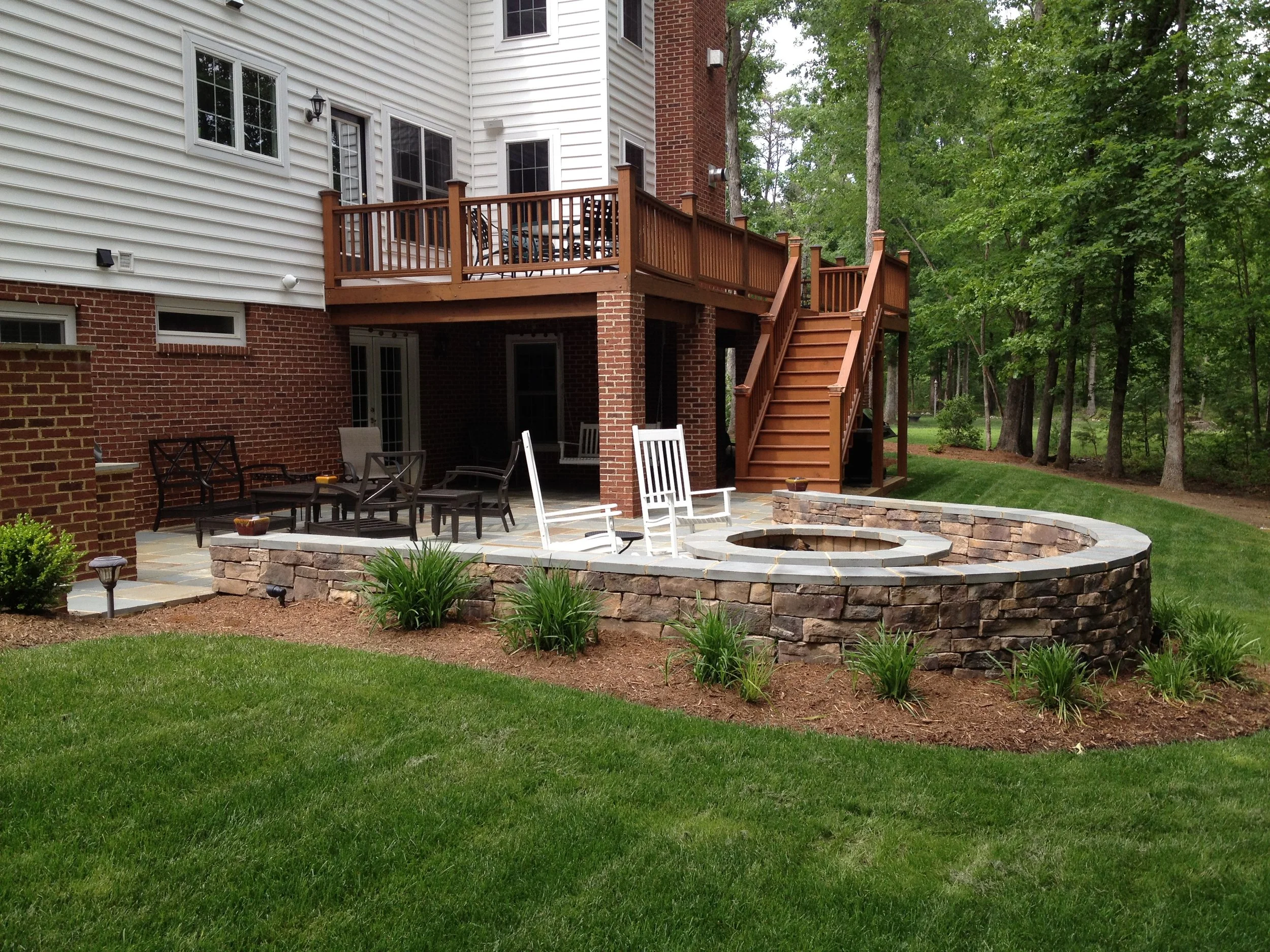
If you enjoy hosting family and friends, a patio or outdoor entertaining area may be an important part of your design.
Depending on your property and preferences, you might consider:
An outdoor kitchen
A built-in grill
A fire pit or fireplace
Dining and lounge areas
A poolside entertaining space
Landscaping and garden features
The layout should consider how people will move between the interior and exterior spaces, as well as how the outdoor area will connect with the surrounding property.
Designing Around the Landscape
Your outdoor living spaces should also complement the land itself.
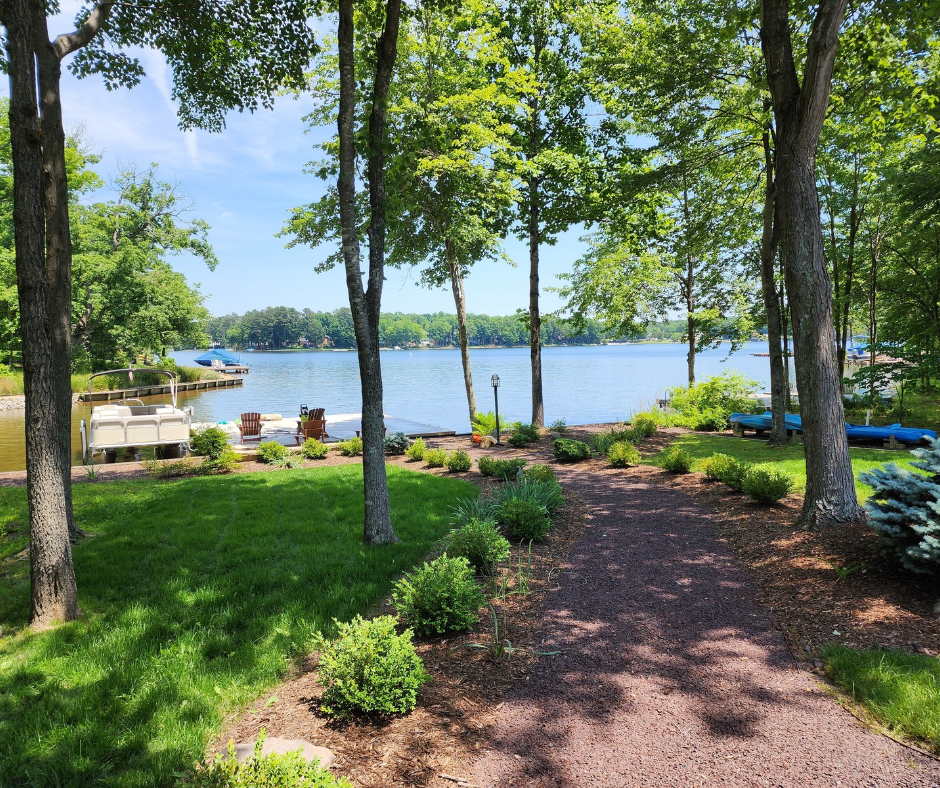
A home overlooking Lake Anna, for example, may benefit from a screened porch or outdoor entertaining area positioned to take advantage of the water views.
A wooded homesite may offer opportunities for a secluded patio or covered porch surrounded by natural landscaping.
The most successful outdoor spaces are designed with the property, the home's layout, and the homeowner's lifestyle in mind.
5. Bring All the Exterior Details Together
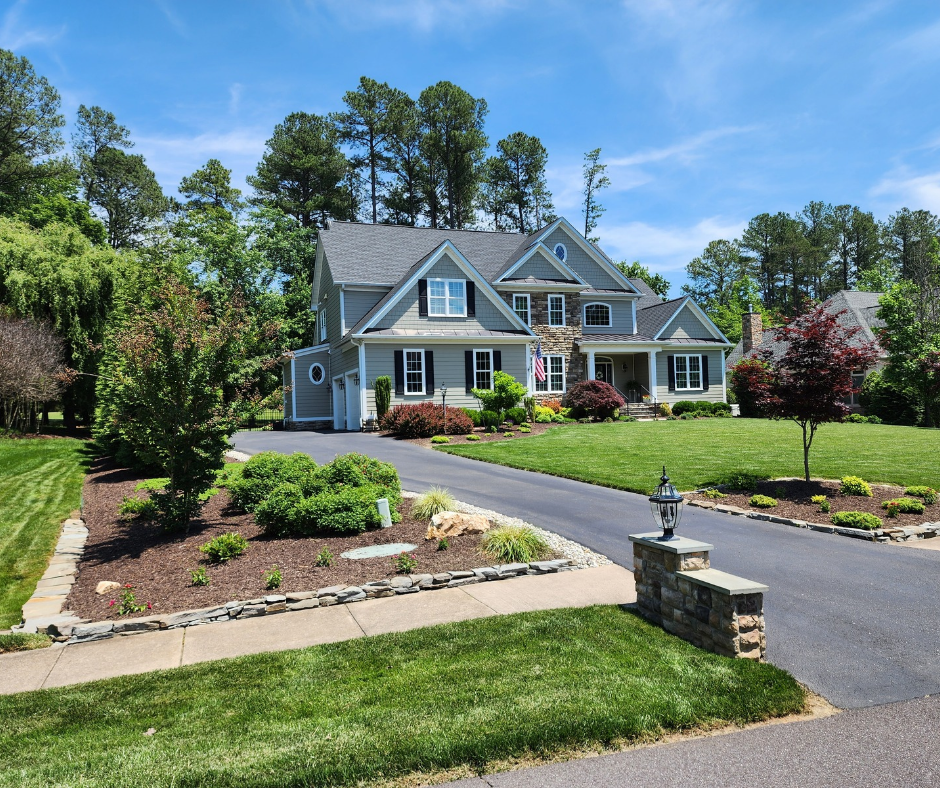
Once you've selected your materials, colors, windows, doors, and outdoor features, it's important to look at the exterior as a complete design.
Each individual selection should contribute to the overall appearance of the home.
A few additional details can help create a polished, cohesive exterior.
Roofing and Rooflines
Your roof is one of the largest visual elements of your home's exterior.
Roof color, material, pitch, and architectural design can all influence the home's overall style.
Consider how the roof will complement your siding, stone, brick, trim, and other exterior finishes.
Columns, Beams, and Architectural Accents
Architectural details can add dimension and personality to your home.
Exposed beams, wrapped columns, decorative trim, and distinctive entryways can help establish the character of the exterior.
These features are especially effective when their materials and finishes complement other elements of the design.
Exterior Lighting
Lighting helps highlight the home's architecture while improving visibility around entrances, walkways, and outdoor living areas.
Consider incorporating:
Entryway lighting
Garage and driveway lighting
Porch and patio fixtures
Landscape lighting
Accent lighting for architectural features
The placement and style of the fixtures should complement the home's overall design.
Landscaping and Curb Appeal
Landscaping is another important part of the finished exterior.
Trees, shrubs, flower beds, walkways, and lawn areas help connect the home to its surroundings and create a welcoming first impression.
Think about how landscaping will frame the home's exterior, complement its colors, and enhance outdoor living areas.
It's also worth considering how the landscaping will look as plants mature and how much ongoing maintenance you want to take on.
Create an Exterior That Reflects Your Vision
A custom home's exterior is made up of many individual decisions, but the best results come when those decisions work together.
The right combination of siding, stone, wood accents, colors, windows, doors, and outdoor living features can create a home that feels cohesive, distinctive, and completely your own.
Whether you prefer a classic architectural style, a modern farmhouse aesthetic, or a home designed around the natural beauty of its surroundings, custom homebuilding gives you the opportunity to personalize these details from the beginning.
At Warner Custom Homes, we believe your home should reflect the way you want to live, from the overall design to the details that make it unique.
Since 2007, Warner Custom Homes has worked with homeowners throughout Central and Northern Virginia to create homes that reflect their individual vision, property, and lifestyle.
Explore our photo gallery to see examples of our work and discover ideas for your own custom home.
Start Planning Your Custom Home With Warner Custom Homes
If you're considering building a custom home in Virginia, now is a great time to start thinking about the details that will make it yours.
From selecting exterior materials and finishes to designing welcoming outdoor spaces, Warner Custom Homes can help you bring your vision together.
Whether you're dreaming of a home at Lake Anna, a property in Fawn Lake, or a custom home in Fredericksburg, Stafford, Culpeper, or the surrounding region, we're ready to help you take the next step.
Ready to start designing your custom home?
Contact Warner Custom Homes to discuss your ideas, explore your options, and begin planning a home that reflects your style.
Frequently Asked Questions About Custom Home Exterior Design
What are the best exterior materials for a custom home in Virginia?
The best exterior materials depend on your home's architectural style, budget, desired appearance, and maintenance preferences. Popular options include fiber cement, vinyl, wood, brick, and stone. Many custom homes combine multiple materials to create contrast, texture, and architectural interest.
Can you combine stone, brick, and siding on a custom home?
Yes. Combining materials is a common way to personalize a custom home's exterior. For example, siding can cover the primary exterior walls while stone or brick accents highlight the foundation, entryway, columns, or other architectural features. The key is selecting complementary colors, textures, and finishes.
How do you choose exterior colors for a custom home?
Start by selecting a primary exterior color that complements your home's architectural style and surroundings. Then choose coordinating colors for trim, windows, doors, roofing, and accent features. Reviewing material samples together can help you understand how the colors and textures will look when combined.
What should you consider when selecting windows and exterior doors?
Consider the architectural style, size, placement, frame color, energy performance, and functionality of your windows and doors. Window placement can also influence natural light, views, and the connection between indoor and outdoor spaces.
How can you incorporate outdoor living into your custom home design?
Outdoor living can include screened porches, covered patios, decks, outdoor kitchens, fireplaces, and entertaining areas. Consider how you want to use these spaces, how they connect to the home's interior, and how they fit into the surrounding property.
Can I customize the exterior of one of Warner Custom Homes' existing plans?
Warner Custom Homes offers plans that can serve as a starting point for your custom home. Homeowners can discuss plan selection and customization to explore design details and features that reflect their preferences, property, and lifestyle.
Where does Warner Custom Homes build in Virginia?
Warner Custom Homes serves homeowners throughout Central and Northern Virginia, including Fredericksburg, Stafford, Culpeper, Spotsylvania, Lake Anna, Fawn Lake, and surrounding communities.